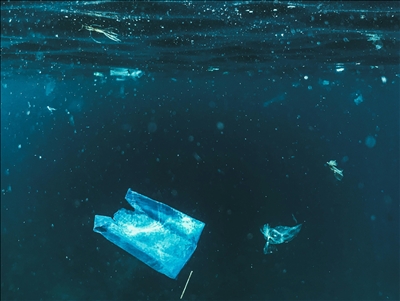
Experts say waste, water crises require concrete action at COP31 in Türkiye


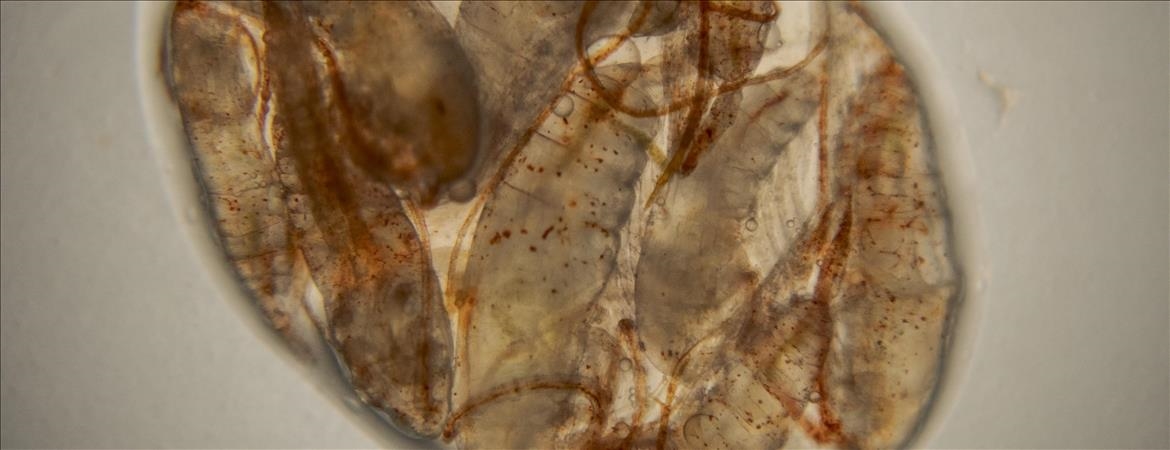
Research shows that approximately half of the oxygen in the oceans is produced by these microscopic organisms.
Phytoplankton form the base of the aquatic food web. Zooplankton that feed on phytoplankton, in turn, constitute a primary food source for fish and many other marine organisms. For this reason, phytoplankton directly determine the productivity in marine ecosystems.
However, rising sea temperatures, pollution, and especially excess nutrients such as nitrogen and phosphorus can lead to the uncontrolled proliferation of phytoplankton, known as algal blooms. This can cause turbidity in waters, reduced oxygen levels, and ecological problems such as mucilage and fish loss with certain species producing toxins.