Experts say waste, water crises require concrete action at COP31 in Türkiye


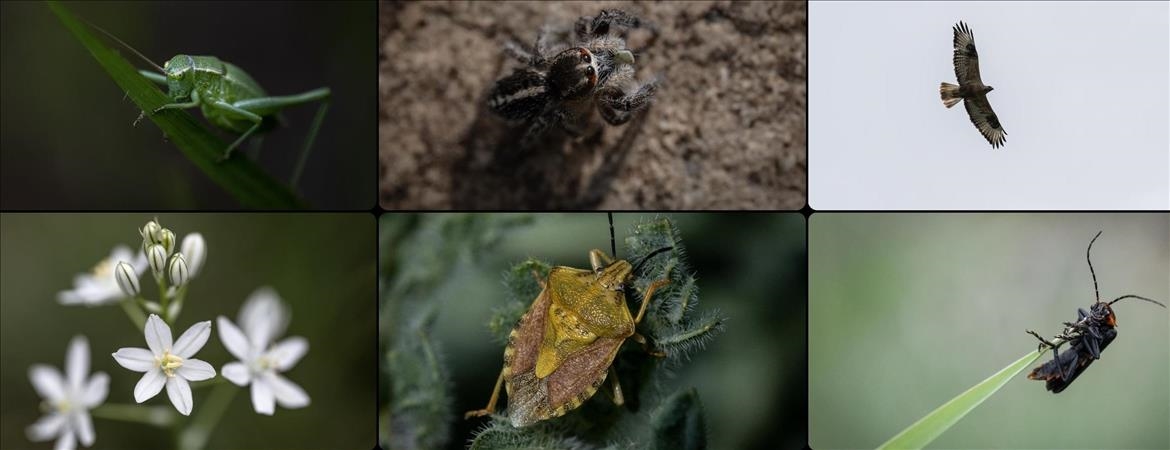
Protecting biodiversity is crucial for clean air, drinking water, fertile soil, and effective crop pollination.
In the fight against climate change, living organisms play a key role through their contributions to natural cycles, such as carbon sequestration and oxygen production. Therefore, the loss of biodiversity can have significant consequences for society, the economy, and human health.
Climate change, pollution, and the excessive and unsustainable use of natural resources have seriously damaged biodiversity over the past century, to the point that this damage now threatens human life.
Deforestation, changes in land use such as urbanization, hunting and overfishing, improperagricultural practices, climate change, pollution, and invasive alien species are all significantpressures on biodiversity.
Biological diversity consists of three main components, which are also important parameters of sustainable development.
One of these is genetic diversity, defined as the hereditary biochemical packages that determine the physical and biochemical traits of existence. Genetic diversity is measured by the variation of genes within a species, population, variety, subspecies, or breed.
Species diversity, on the other hand, refers to a group of organisms that show genetic similarities, reproduce with one another, and produce fertile offspring. Species diversity is usually measured by the total number of species within defined geographical boundaries.
Another component is ecosystem diversity. An ecosystem consists of plants, animals, soil, water, air, and minerals. The complex functional relationships within and between these communities are described as ecosystem diversity. These relationships form the mechanisms of main ecological processes such as the water cycle, soil formation, and energy flow. By providing the essential support systems for living communities, these processes create a critical interdependence that lies at the very heart of the concept of sustainable developmentapproach.