Experts say waste, water crises require concrete action at COP31 in Türkiye


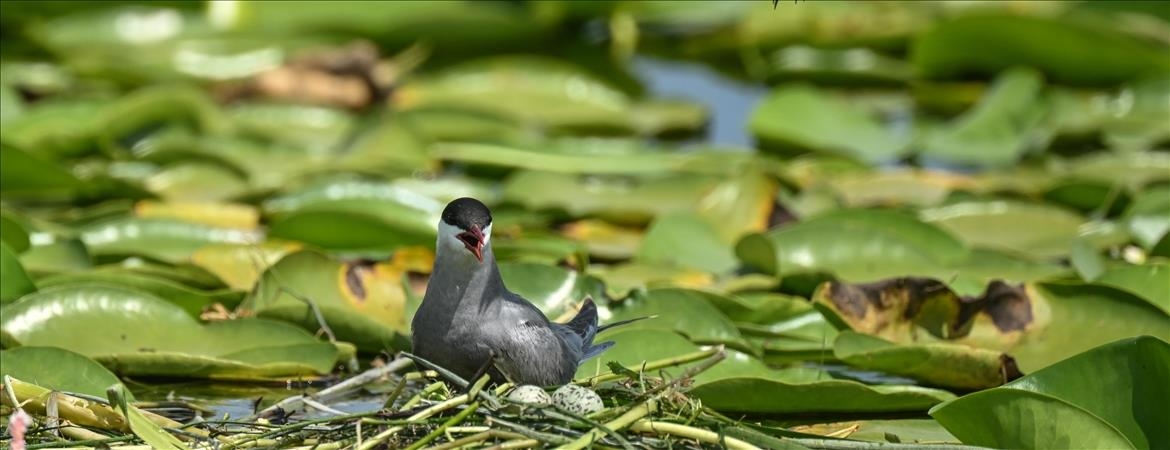
The “hotspots” concept, introduced by British scientist Norman Myers in 1988, aims to prioritize the protection of regions that are unique, important and valuable in terms of biological richness.
A region must meet two criteria to be considered a biodiversity hotspot: it must contain at least 1,500 species of vascular plants as endemics, which is more than 0.5 percent of the world’s total, and it must have lost at least 70 percent of its primary vegetation.
There are 36 such regions worldwide, together covering only 2.4 percent of the land surface of Earth.
Despite their small area, these hotspots are home to about 60 percent of the world’s plant, bird, mammal, reptile and amphibian species.
Türkiye is located at the intersection of three of these 36 hotspots: the Caucasus, Irano-Anatolian and Mediterranean hotspots. Although these areas have lost a large portion of their natural habitats, biodiversity hotspots still preserve significant biological diversity.
Threats and need for conservation
These hotspots face serious threats due to deforestation, habitat loss and human habitation. Endemic plant and vertebrate populations in Caribbean islands such as Haiti and Jamaica are under severe pressure. Similarly, regions such as the Tropical Andes, the Philippines, Mesoamerica and Sundaland are at high risk of losing most of their plant and vertebrate species.
The conservation of these areas is critical for sustaining global biodiversity.