Experts say waste, water crises require concrete action at COP31 in Türkiye


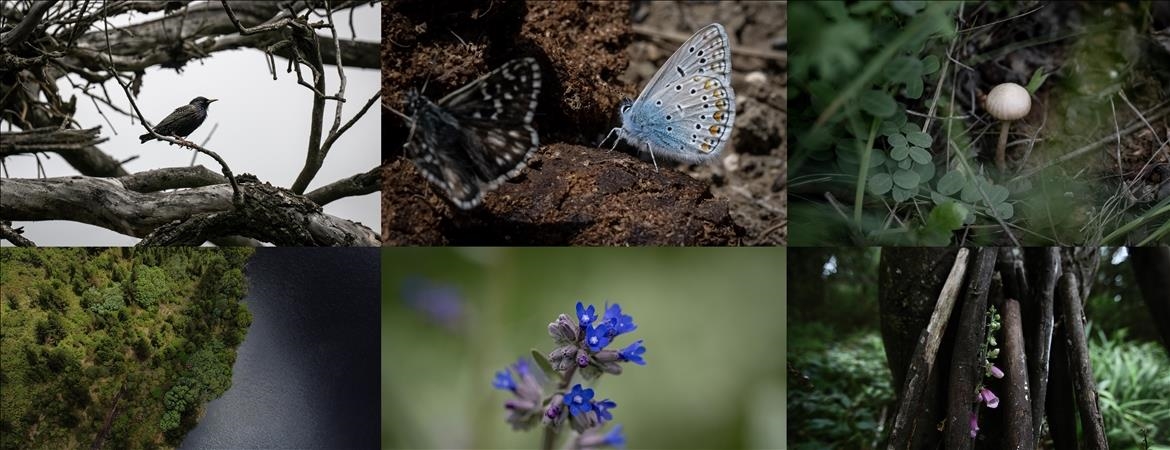
While the Earth itself constitutes the largest known ecosystem, even an area as small as the trunk or roots of a single tree can also be an ecosystem.
Ecosystems consist of certain common components that are self-sufficient, as long as there is no disruption in the interaction among the living organisms they contain or in the energy supply.
These components are living and non-living elements, meaning that an ecosystem essentially consists of non-living materials and living organisms that are producers, consumers, and decomposers. Life in ecosystems continues through energy flow and nutrient cycles.
The survival of ecosystems depends on energy flow, ecological (chemical) cycles, and population regulation. Since an ecosystem is an open system, the input and output of energy and nutrient flows are continuous.
Each species within an ecosystem plays an important role in ensuring that the system functions smoothly. Every component of the ecosystem represents a different species, and any disruption affecting one of them can cause a chain reaction. Therefore, maintaining the natural balance within an ecosystem is vital. However, the emergence of new species, the unexpected loss of certain species, natural disasters, or human-induced factors can disrupt this balance.
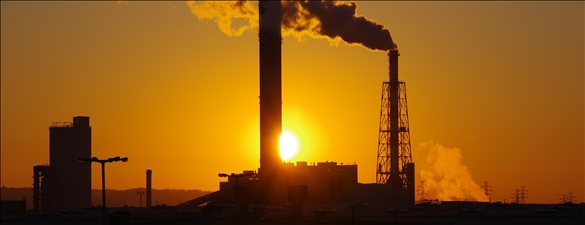
Today, destruction of trees and vegetation due to industrial activities, improper land use, increasing urbanization, and the expansion of paved areas are causing great damage to ecosystems. All of these affect not only soil ecology but also the water balance.