UN food agency says global food prices rise 2.4% in March on higher energy costs


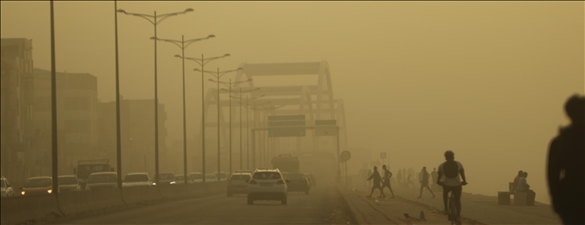
According to information compiled by Anadolu from the World Meteorological Organization (WMO) and Turkish State Meteorological Service, extreme weather events driven by climate change impacted the world and Türkiye in the first month of the year 2026.
Extreme heat and wildfires
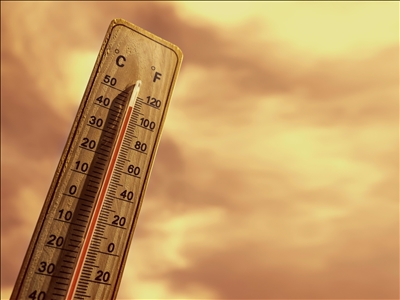
Large parts of Australia, currently experiencing summer season, were hit by two heatwaves accompanied by dangerous fire weather conditions.
In the southern town of Ceduna, temperatures reached a record 49.5°C on 26 January, the Australian Bureau of Meteorology reported temperatures exceeding 45°C in various regions of the country. Scientists examining the second heatwave found that global warming intensified its impact by 1.6°C.
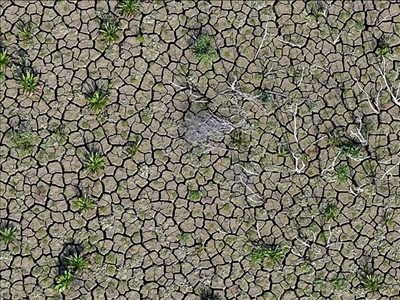
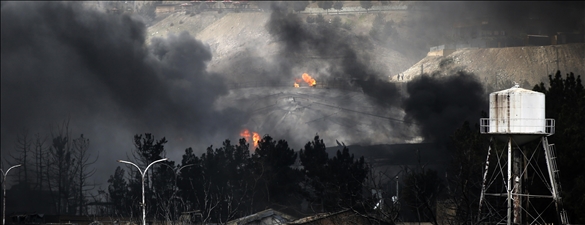
Chile, another country experiencing summer, faced devastating wildfires in the Biobio and Nuble regions, forcing tens of thousands of people to evacuate, destroying hundreds of structures and causing fatalities. A state of catastrophe was declared as fires broke out at 75 locations, fueled by strong winds and extreme heat. A similar situation unfolded in southern Argentina, where prolonged drought and strong winds triggered destructive wildfires across Patagonia.
Extreme cold and winter storms
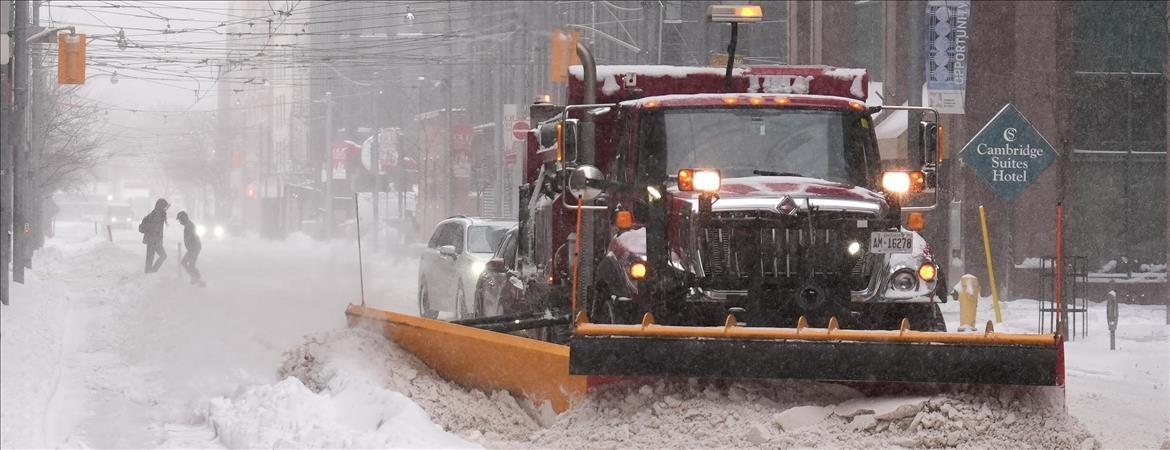
In the last week of January, a major winter storm swept across North America, negatively affecting daily life in large parts of the United States and Canada. The storm caused fatalities, left hundreds of thousands of households without electricity and led to the cancellation of numerous flights.
Russia's Kamchatka Peninsula received snow exceeding 2 meters during the first two weeks of January, following a record 3.7 meters in December. According to Kamchatka’s Hydrometeorology Center, snowfall of this amount was last recorded in the 1970s.
Europe was also affected by a series of storms ranging from the Atlantic to the Mediterranean. Severe rainfall and storms that began in Ireland and the United Kingdom and extended across the Iberian Peninsula and the entire Mediterranean basin caused widespread flooding and major disruptions to transportation networks. National meteorological services issued their highest-level alerts, including top-level danger to life warnings.
Heavy rainfall and flooding
Heavy rainfall and snowfall across northern Afghanistan, Pakistan, India and western Nepal raised the risk of floods and avalanches, prompting the WMO to issue warnings for the region countries.
The destructive impact of extreme weather events resulted in loss of life in Indonesia and New Zealand. In Indonesia, more than 50 people were killed in a landslide triggered by heavy rainfall on 24 January. New Zealand was hit by a series of tropical storms affecting the North Island, where record rainfall caused flooding and landslides, leading to loss of life.
In southeastern Africa, another region where the WMO published a warning message, weeks of downpours caused rivers and dams to overflow, sending floodwaters spilling into densely populated areas.
Mozambique was worst hit. According to the Mozambique's National Disasters Management Institute, more than 650,000 people were affected by flooding so far. Hundreds of thousands were displaced in cities including the capital Maputo, at least 30,000 homes were destroyed or severely damaged. The UN Office for the Coordination of Humanitarian Affairs (OCHA) reported that the destruction of crops, livestock losses and limited access to clean water had pushed the risk of cholera and similar outbreaks to its highest level.
Flooding in northern South Africa on 18 January, which led to the declaration of a “national disaster” and resulted in more than 30 deaths, further revealed the severity of the climate crisis.
According to a study by the climate research group World Weather Attribution, a “perfect storm” formed by the combination of climate change and La Niña increased rainfall intensity in the region by 40% compared to pre-industrial levels. Experts stressed that some areas received an entire year’s worth of rainfall within just a few days. The study emphasized that La Niña increased rainfall intensity by 22%, while the impact of human-induced climate change was nearly twice as strong.
Türkiye also grapples with extreme weather
The effects of extreme weather events observed globally were also felt in Türkiye, particularly in the districts of Kas and Manavgat in Antalya province in January. Heavy rainfall, storms and hurricanes disrupted daily life, uprooting olive and almond trees that serve as key sources of livelihood.
Semsi Bayraktar, Union of Turkish Agricultural Chambers (TZOB) president, announced that 1,437 farmers were affected by the disaster and that more than 5,000 decares of agricultural land were damaged.
Risks persisted into the final week of the month. Turkish State Meteorological Service warned of strong winds spreading from southern regions and local storms across Samsun, northern part of Sinop and Kastamonu, northern and eastern parts of Tokat, Ordu, Giresun and Trabzon provinces. Turkish Interior Ministry also issued a “yellow” coded meteorological warning for 9 provinces due to expected heavy rainfall and storms.