UN food agency says global food prices rise 2.4% in March on higher energy costs



Stressing that global warming negatively affects child development, specialist psychologist Aybige Ustuner from Biruni University’s Faculty of Medicine Hospital said, “The main reasons could be that hot weather impairs sleep quality and reduces attention, memory, and processing speed.”
A study conducted by experts from New York University, the University of Chicago, and the Inter-American Development Bank, published last month, examined how rising air temperatures affect child development.
Researchers analyzed the developmental status of 19,607 children aged 3–4 from Georgia, Gambia, Madagascar, Malawi, Sierra Leone, and Palestine. They used the Early Childhood Development Index (ECDI), which measures basic developmental milestones in four areas: social-emotional development, literacy–numeracy skills, approaches to learning, and physical development.
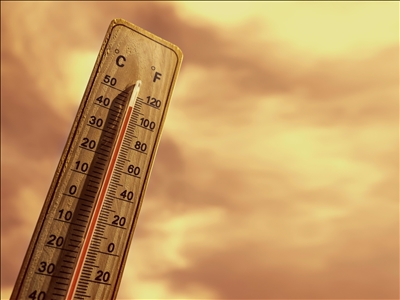
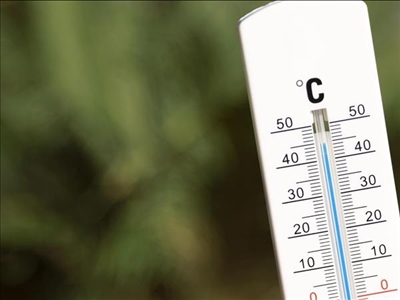
The study found that children exposed to conditions in which the monthly average temperature exceeded 30°C were likely to meet basic developmental milestones within the normal range compared with those exposed to temperatures below 26°C.
Accordingly, in estimates where variables such as age, gender, education level in the family, and income were also taken into account, the probability of children showing normal developmental levels was 60–70% in regions where the average temperature was below 26°C. This probability fell to 61–66% at 30°C, 60.5–65.5% at 31°C, and 55–60% at 32°C.
Physical and psychological effects on children
Speaking to Anadolu regarding the impact of climate change on children, Ustuner said that prolonged heatwaves, air pollution, and difficulties in accessing water affect children both physically and psychologically.
She noted that common effects include irregular sleep, headache, fatigue, difficulty in concentrating, dehydration, and increased susceptibility to illness, as well as irritability, anger, anxiety, reduced focus, and lower motivation.
Ustuner emphasized that hot weather restricts children’s opportunities for outdoor play and physical activity, which directly affects their emotional regulation, social skills, and learning processes.
“The study points to the risk that children exposed to extreme heat may fall behind in literacy and numeracy skills,” she said. “The main reasons could be that hot weather impairs sleep quality and reduces attention, memory, and processing speed. Additionally, classrooms and home conditions may become less conducive to learning, children’s opportunities for play and exploration behaviors may be restricted, and inequalities in access to education can also be listed. Such delays in early childhood can later manifest as lower academic achievement, reduced motivation for school, and problems with self-confidence. Climate conditions are no longer just ‘weather’; they have become a factor that directly shapes children’s learning opportunities and equality in education.”
Ustuner explained that developmental delays or disorders emerging during early childhood, the period when the brain develops most rapidly, can affect language development, cognitive abilities, attention processes, social-emotional development, and motor skills. Extreme heat and environmental stress reduce children’s motivation to play and learn, increase irritability and restlessness, impair attention and memory, and may limit peer relationships.
She stressed that these effects are not merely short-term and may delay the completion of key developmental milestones.
Noting that the impacts are more pronounced among children growing up in disadvantaged environments, Ustuner highlighted that the climate crisis is also an inequality issue.
She warned that developmental delays not addressed in a timely manner can lead to serious long-term consequences.
“This can affect educational trajectories, vocational skills, and psychological well-being in the long run,” Ustuner said. “Difficulties in literacy and numeracy may result in poorer school performance, self-confidence problems, a belief of ‘I can’t do it,’ social withdrawal, and, later in life, a narrowing of career options. Moreover, we know that children raised under chronic environmental stress face higher risks of anxiety, depression, and behavioral problems. For this reason, the impact of climate conditions on child development is a factor that shapes not only today but also children’s future life opportunities.”
Recommendations to protect children
Ustuner suggested staying in cool and shaded areas during hot weather, consuming plenty of fluids, maintaining regular sleep routines, ensuring adequate ventilation, and scheduling physical activities during the cooler hours of the day.
She also emphasized the importance of providing children with age-appropriate information about climate change and disasters, and implementing child-centered, climate-friendly measures in schools, adding that climate change must be regarded as an issue of children’s health and rights.