UN food agency says global food prices rise 2.4% in March on higher energy costs


Also referred to as “climate grief,” the concept was examined in a joint study conducted in 2021 by academics from the United States and the Netherlands. The study described ecological grief as “the grief felt in relation to experienced or anticipated ecological losses, including the loss of species, ecosystems and meaningful landscapes due to acute or chronic environmental change.”
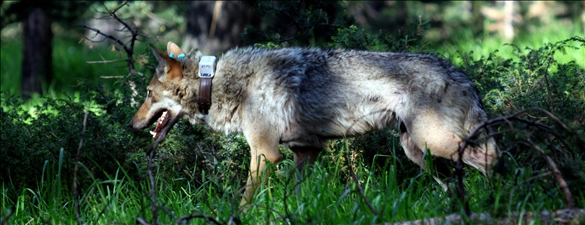
The study defines loss as the disappearance of both material and spiritual resources. Examples of ecological losses include: The extinction of animal and plant species caused by the climate crisis, the loss of agricultural and grazing lands, the disruption of individuals’ daily lifestyles, the loss of identities shaped by bonds with the natural environment.
Types of Ecological Loss
The study stated that there are 3 types of losses that push individuals into the ecological grief process.
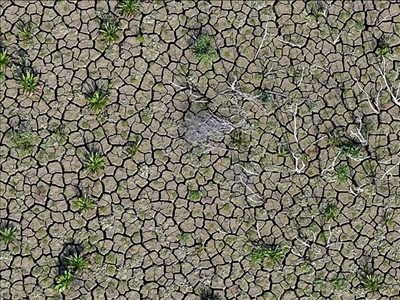
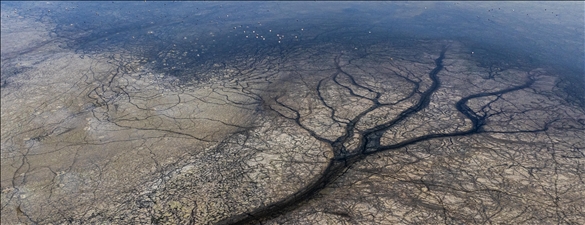
The first of these is the severe ecological loss experienced by individuals in the face of losses caused by disasters such as storms, floods, and droughts, which occur both suddenly and gradually.
The second type of loss, described in the research as “loss of environmental knowledge,” was explained as the deterioration of personal and cultural identities built on the characteristics of the physical environment.
Grief held for anticipated future loss was evaluated as the third category, in which a person mourns the loss of species, landscapes, ecosystems, ways of life or livelihoods.
Those who feel ecological grief most deeply
It was noted that among the groups that feel “ecological grief” most deeply are Indigenous peoples who spend more time in nature and shape their identities accordingly, people engaged in agriculture and livestock farming, and individuals interested in outdoor sports.
Scientists also offer various recommendations to make the ecological grief process easier to cope with. These include spending time with people who have experienced similar things, trying to worry less about things that cannot be controlled, spending time in nature, and taking action for a sustainable world instead of remaining passive in the face of the climate crisis.
If the grieving process becomes severe, it is recommended to seek professional support.