EU delays curbs on hazardous chemicals despite record crackdown plan: Report


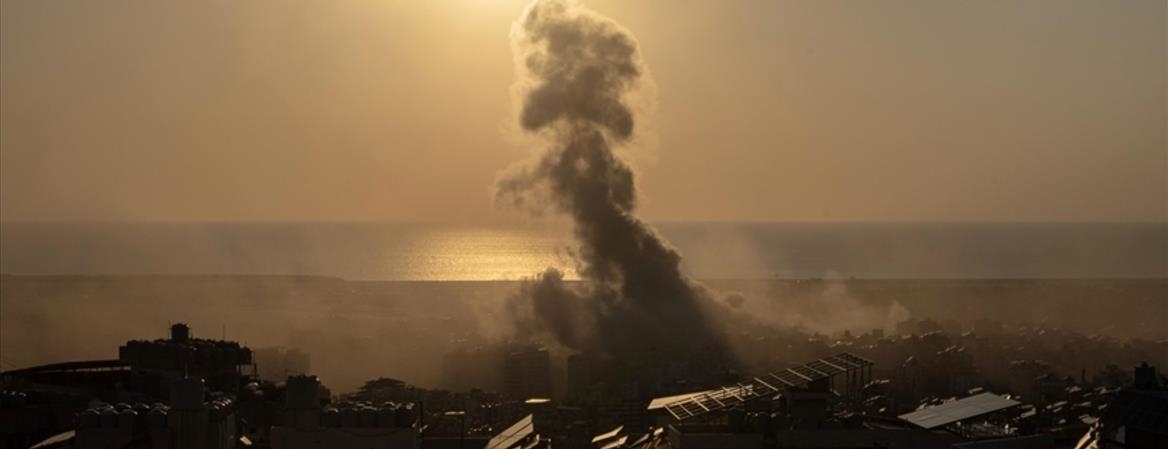
More than 230 incidents assessed for their environmental risk took place across the Middle East amid the US-Iran war, according to a recent study by a UK-based group monitoring the environmental dimensions of armed conflicts.
The Conflict and Environment Observatory (CEOBS) evaluated emerging environmental harm and risks in Iran and the region because of the US' Operation Epic Fury against Iran and Tehran's retaliations.
The group said Tuesday that it has seen a continuation of pollution incidents that are placing people and ecosystems at risk of acute and long-term harm, and trends that could lead to substantial environmental damage as the war continues.
"As of the 10th March 2026, we have identified over 300 incidents, 232 of which have been assessed for their environmental risk," it added.
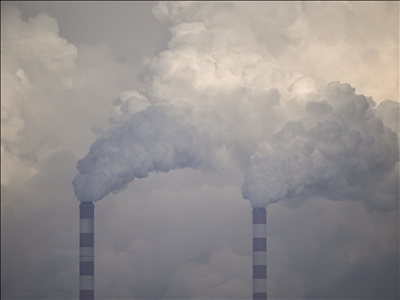
The study noted that although many military sites, which have been attacked, show secondary explosions and fires, the strikes rarely destroy all hazardous materials and may generate additional pollution.
"Likely contaminants include fuels, oils, heavy metals, energetic compounds and PFAS (Per- and polyfluoroalkyl substances), while fires can release dioxins and furans."
PFAS are extremely resistant to environmental breakdown.
It noted that many of the larger Iranian military facilities are in rural areas, or underground, complicating damage assessment and potentially reducing human exposure risks.
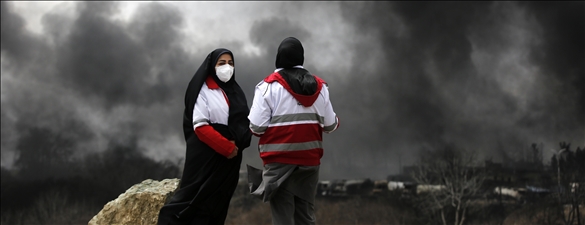
Other sites across Iran, Lebanon and the Gulf, meanwhile, lie near cities, increasing public exposure risks to conflict-generated pollutants.
Regional escalation flared since Israel and the US launched a joint attack against Iran on Feb. 28 that has so far killed more than 1,300 victims, including then-Supreme Leader Ali Khamenei, and injured over 10,000, according to Iranian authorities.
Tehran retaliated with drone and missile strikes targeting Israel, Jordan, Iraq, and Gulf countries that are home to US military assets.