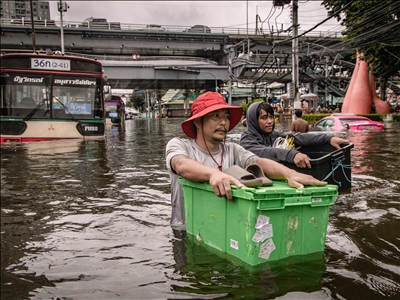
Thailand floods kill 19, affect 700,000 in Bangkok as rains ease


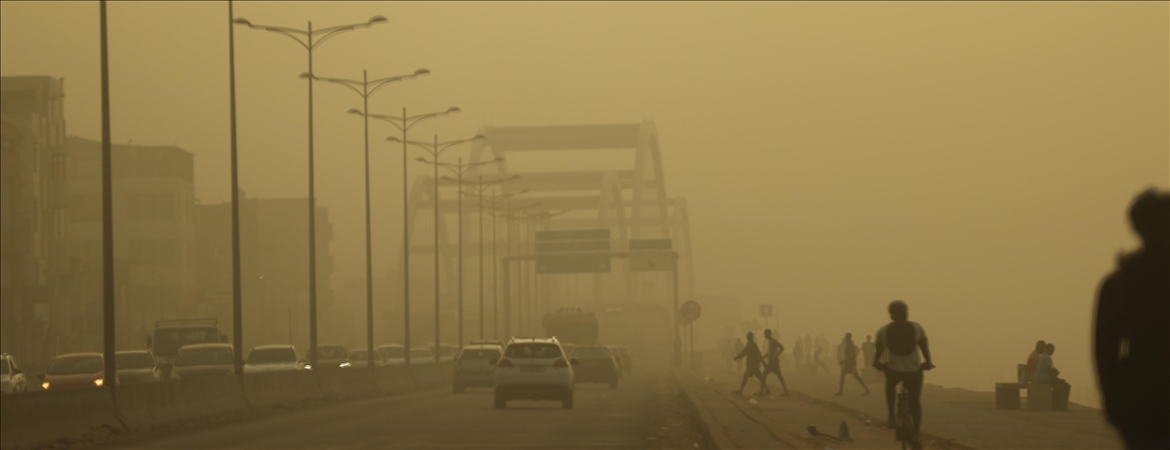
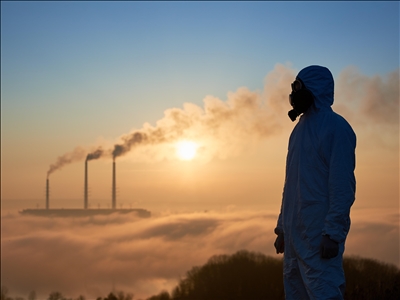
A new global report has found that only 13 countries met safe air quality standards in 2025, as pollution levels worsened worldwide due to climate-related factors and continued reliance on fossil fuels.
According to the World Air Quality Report released by Swiss monitoring firm IQAir, just 14% of cities globally recorded air pollution levels within the World Health Organization’s (WHO) recommended limits for fine particulate matter (PM2.5), down from 17% the previous year.
The report analyzed data from 9,446 cities across 143 countries, regions, and territories, highlighting a widespread deterioration in air quality.
PM2.5 particles—measuring 2.5 micrometers or less in diameter, small enough to enter the lungs and bloodstream—are associated with serious health risks, including respiratory and cardiovascular diseases, as well as cancer.
Only a handful of countries, including Andorra, Estonia, and Iceland in Europe, remained within the WHO’s annual guideline of 5 micrograms per cubic meter. The remaining compliant countries were mostly island nations and territories such as Australia, Barbados, and Bermuda.
130 of 143 countries exceed safe limits
South Asia dominated the list of the most polluted countries, with Pakistan, Bangladesh, and Tajikistan ranking among the worst performers. The report also found that the world’s 25 most polluted cities were all located in India, Pakistan, and China.
Loni, a city in northern India, recorded the highest pollution levels, with PM2.5 concentrations more than 22 times higher than WHO guidelines.
Researchers attributed the worsening air quality to a combination of factors, including wildfire smoke, dust storms, and extreme weather events linked to climate change.
The report also highlighted gaps in air quality monitoring, noting that many regions lack access to real-time data.