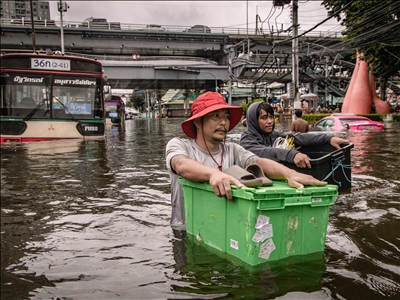
Thailand floods kill 19, affect 700,000 in Bangkok as rains ease


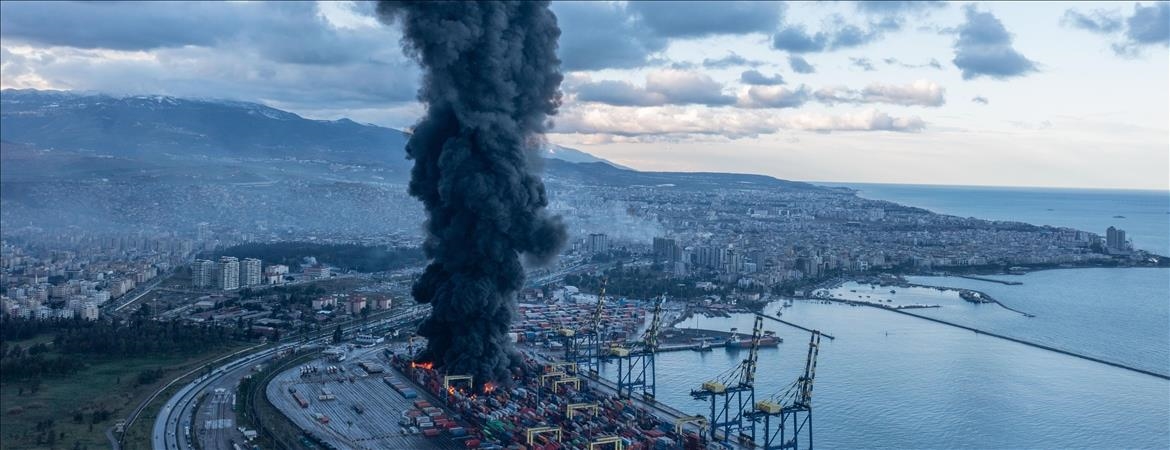
Air pollution refers to a condition in which the concentration of particles or pollutant gases in the atmosphere reach levels that can harm living organisms or cause material damage.
Sources
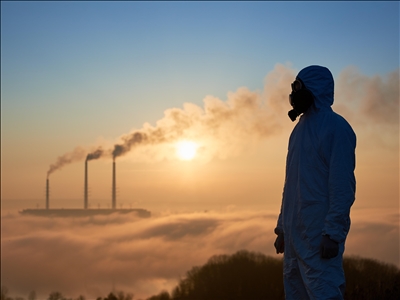
The main sources of human-made air pollution include vehicle emissions, fuel use, and the by-products of natural gas and electricity used for heating homes, especially emissions from coal-fired power plants, and smoke released during chemical production.
Causes
Carbon dioxide: Known as one of the main greenhouse gases responsible for climate change. The rapid increase in fuel consumption, along with the destruction of forests and phytoplankton that would otherwise absorb large amounts of carbon dioxide through photosynthesis, leads to rising carbon dioxide levels in the atmosphere and contributes to air pollution.
Carbon monoxide: Can be released through cigarette smoke or from incomplete combustion of fuels used in homes and workplaces.
Sulfur dioxide: Can enter the atmosphere due to coal-powered plants and mines.
Nitrogen oxides: Emitted from industrial facilities, factories, and the exhaust systems of gasoline-powered vehicles.
Methane: A gas largely produced by human activities. Formed when organic waste decomposes in oxygen-free environments. Major sources include paddy fields, livestock manure, landfills, wetlands, and certain organisms.
Wildfires: A major factor that releases harmful gases into the atmosphere.
Volcanoes: Volcanic eruptions release gas clouds that emit sulfur dioxide into the air. These gases can harm both local settlements and surrounding ecosystems; however, their effects can also extend globally.
Heating methods: The use of coal for heating is one of the main causes of air pollution. Compared with natural gas, electricity, or wood, coal-based heating causes far higher levels of pollution.
Traffic-related pollution: Includes pollution caused by vehicle exhaust emissions.
Industrial pollution: Factories and industrial facilities that do not use clean energy or lack filtering systems in their chimneys are among the most significant contributors to air pollution.
Pollution from thermal and nuclear power plants: Air pollution resulting from gases released during coal use in thermal power plants, as well as radiation from nuclear power plants.
Pollution from chemical waste: Caused by products that contain various chemicals, such as cleaning agents. In addition, toxic substances used during mining operations release harmful dust and chemicals into the air.