Farmers hold key role in fight against climate change


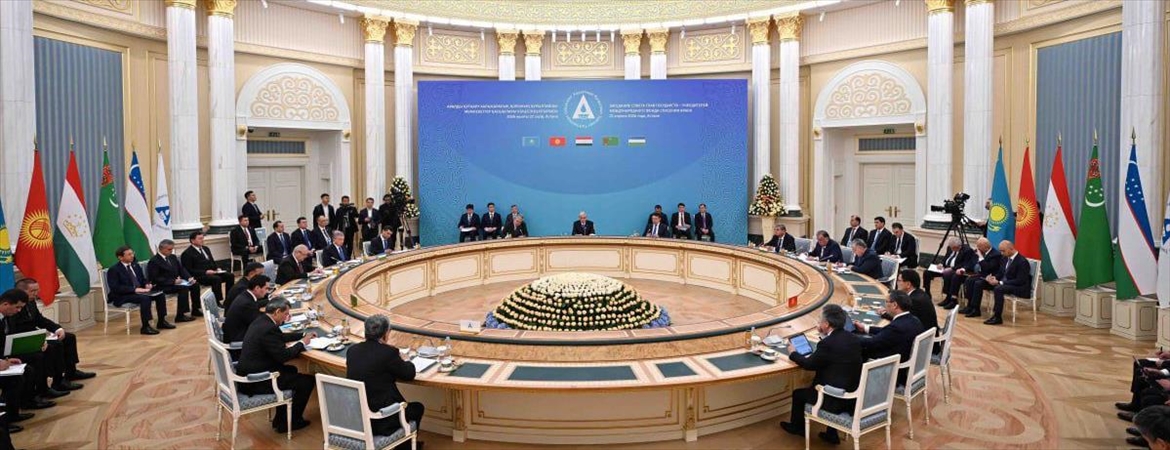
Kazakhstan’s capital Astana on Wednesday hosted a meeting of the Council of Heads of State of the International Fund for Saving the Aral Sea (IFAS).
Leaders from all five Central Asian countries - Kazakhstan, Kyrgyzstan, Tajikistan, Turkmenistan, and Uzbekistan - attended the summit as Astana concluded its three-year chairmanship of the organization established in 1993.
After the meeting, the heads of state signed four documents, including one proclaiming March 26 as the “International Day of the Aral Sea, the Amu Darya and Syr Darya rivers,” according to a statement by Kazakhstan’s presidential press service Akorda.
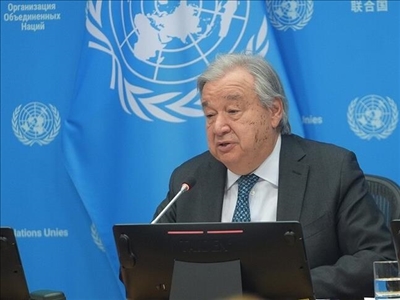
The statement cited Kazakh President Kassym-Jomart Tokayev as saying IFAS remains the only regional platform coordinating Central Asian efforts on water management and environmental challenges.
“Saving the Aral Sea has been a topic of discussion for many years, both in our region and around the world. Ensuring stability and prosperity in the region is our shared and entirely achievable goal. I hope this meeting will provide impetus for strengthening cooperation and bring tangible benefits to all states in the region,” Tokayev said.
He said progress had been made in restoring the Northern Aral Sea ecosystem, highlighting an increase in water volume from 18.9 to 23.5 cubic kilometers, which he said has positively affected the region’s socioeconomic conditions.
Tokayev, however, warned that environmental risks are escalating faster than mitigation efforts.
An analysis of the Aral Sea basin shows the pace of environmental threats now exceeds the scale of measures taken to address them, he said, describing the situation as “alarming.”
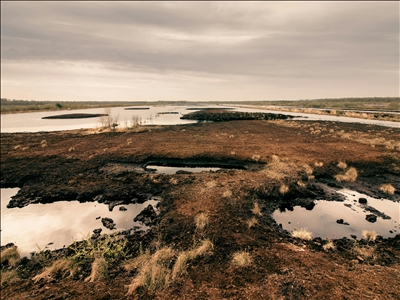
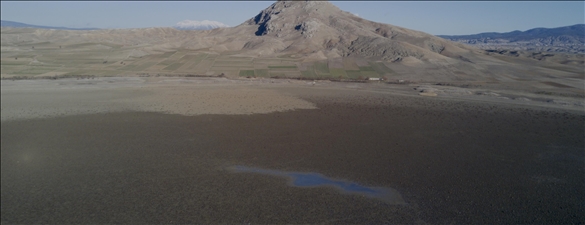
Once the world’s fourth-largest lake, covering 68,000 square kilometers, the Aral Sea has largely dried up since the 1960s after Soviet irrigation projects diverted the rivers feeding it.
Over time, it has fragmented into several smaller inland water bodies, including the North Aral Sea, while its eastern basin has transformed into the Aralkum Desert.