Türkiye's livestock waste offers major untapped energy potential


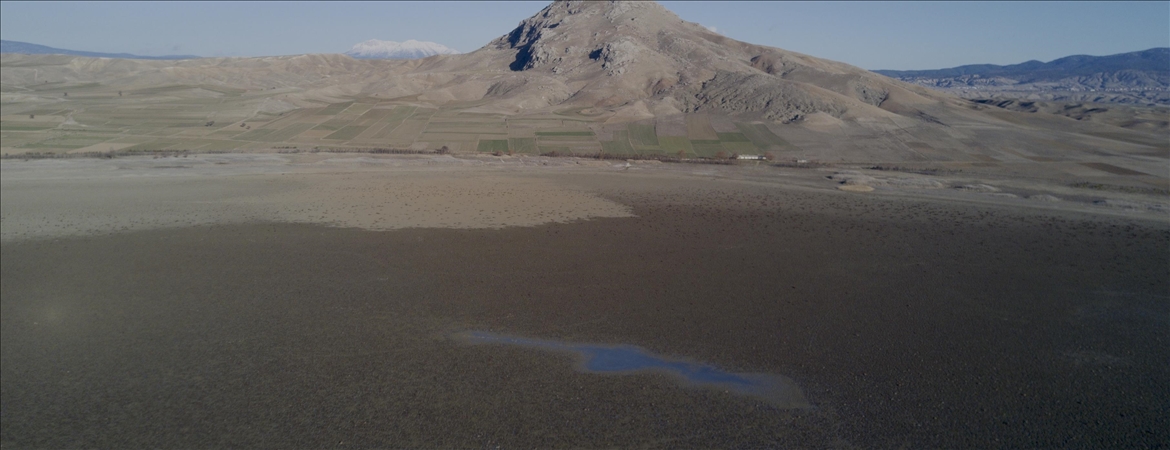
⚠️Extreme rainfall and droughts are intensifying with climate change
— Greenline (@GreenlineAA) May 15, 2026
🌳Less water, fewer trees and rising temperatures are a challenge in urban areas
💰Every $1 invested in early warning systems yields $9 in benefits
🗣️WMO Deputy Secretary-General Ko Barrett:
❝A couple of… pic.twitter.com/LTk4AWVR4N
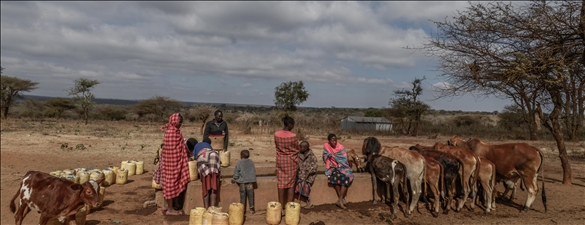
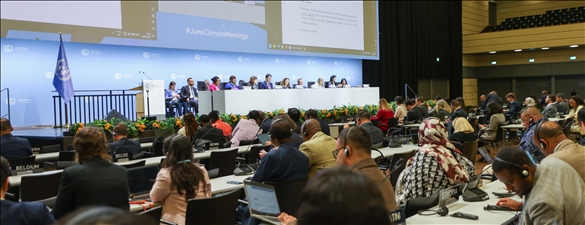
Experts say COP31, to be held in Antalya, Türkiye, in November, should fully recognize the connection between water and climate on its agenda, and also build public awareness on sharing water during droughts.
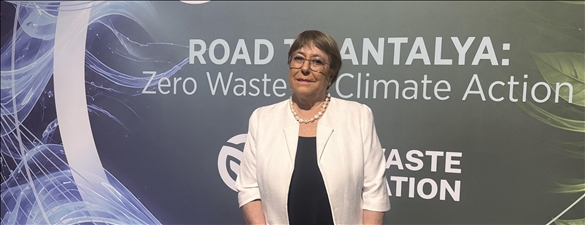
Speaking to Anadolu, Ko Barrett, Deputy Secretary-General of the World Meteorological Organization (WMO), said Türkiye is not alone in experiencing more extreme rainfall and droughts, and such events are the predicted results of climate change.

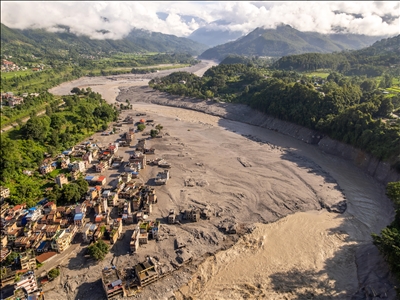
"With increasing levels of greenhouse gas concentrations in the atmosphere, more heat, more energy is being trapped in the Earth's system, in the atmosphere, and in the ocean. And because of all of that extra energy, it makes storms more intense, and it also makes droughts more intense as well," she said.
"Türkiye just last year had its highest national temperature of 50.5C (nearly 123F) in one of your cities. This is a concern in Türkiye as it is across the world.
"The Intergovernmental Panel on Climate Change says that with the changing climate, we are likely to see hydrological extremes: water extremes, more extreme precipitation, but also more drought. That's something to manage. I believe this will be an important issue on the agenda for COP31," she added.
She said Türkiye's hosting of COP31 offers an opportunity to put two water priorities on the climate agenda.
"A couple of important water-related actions that could potentially come out of the COP would be to recognize fully the connection between water and climate in the conference itself," she said.
"In recent years, we've had more and more conversations about the importance of the two together. But it's really now the moment to bring them together and to make it a highlight of the conference itself."
The second priority, she said, is the global goal on adaptation, where water resilience and early warning should be measured through clear indicators.

'For every $1 that's invested, there's $9 in benefits'
Barrett stated that early warning is the most cost-effective investment a country can make.
"For every $1 that's invested, there's $9 in benefits," she said, adding that it is 'always cheaper to be prepared and to act in advance' and some disasters, in especially developing countries, can set back the whole economy by a number of years.
Effective early-warning systems rest on three pillars, according to Barrett. First, a continuously updated understanding of the risks an area faces, since those risks are changing. Second, accurate forecasts with enough lead time for communities and farmers to prepare. Third, getting those warnings out, increasingly through cell phones, so that people can act before disaster strikes.
Barrett said global agreements can often help to build momentum for the kinds of political will that may be needed to ensure that we are paying attention to water because "it's the lifeblood of the planet."
"So, I think the Conference of the Parties can help to build momentum and knowledge and understanding of the importance of water in our communities. And often that is one of the main things that these annual climate conferences can do, build momentum," she said.
Using water efficiently is a low-hanging fruit available to everyone, Barrett added. She urged people to stay conscious of their daily consumption, take simple steps to keep it as low as possible, and advocate in their communities to protect rivers and streams.

Preparedness key for weather extremes
Eddy Moors, a professor and special advisor at the IHE Delft Institute for Water Education, told Anadolu that both wet and dry extremes intensify with climate change.
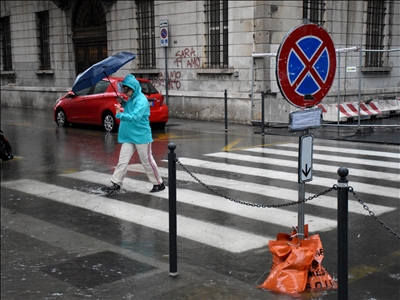
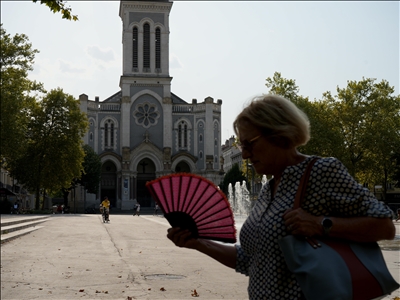
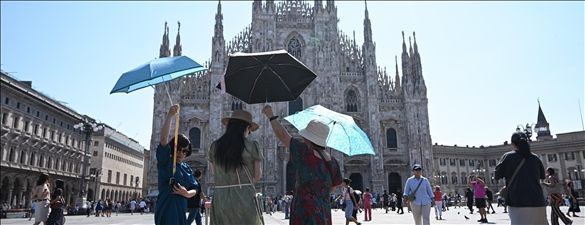
Moors said the lived experience of those extremes is already visible in cities. Heavy showers cause flooding while dry spells push temperatures higher in urban areas, where reduced soil moisture and tree loss compound heat stress.
"So we have less water, less trees, increasing temperature. In urban areas, that's quite a challenge," he said.
For Türkiye, the consequences are layered, Moors said. The country shares major rivers with neighbors, making transboundary cooperation a priority, and its size means internal water transport between regions is becoming more critical as droughts return more often.

He said Türkiye offers a possibility to engage the broader public at COP31, which is needed.
"Thinking about what you can do when droughts are coming and be prepared, I think that's quite important for Türkiye at the moment. And trying to reduce the greenhouse gas emissions, which is a challenge for Türkiye, but also for the rest of the world," Moors said.
"We do come to agreements on paper, but the implementation of those agreements is not so easy and actually quite difficult," he added.
He also noted that recent COPs have shown more pressure on implementation, and said he hoped Türkiye's hosting role would push that further.
At times of scarcity, water will need to be shared, and that requires public awareness, Moors said, adding that children are a good starting point for building it through education.
He pointed to two sides of the climate crisis. Rising greenhouse gas concentrations are warming the planet and reshaping weather systems, while the impact falls mainly on water, bringing heavier rainfall and flooding, deeper droughts, and rising urban temperatures as soil moisture declines.
"Don't wait. As a person yourself, you can take measures. You can change your behavior, you can make the choices that are maybe the right choices," Moors concluded.