Lebanon says farmland area roughly size of Chicago destroyed in Israeli offensive


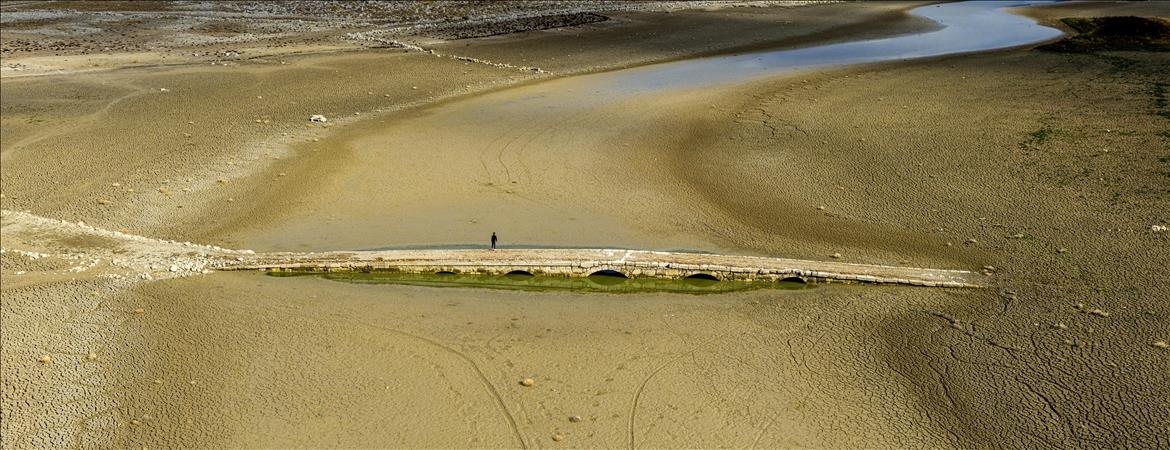
Mikdat Kadioglu, a meteorological engineering professor at Istanbul Technical University (ITU), evaluated the January 2026 Standardized Precipitation Index (SPI) maps released by the Turkish State Meteorological Service (MGM) for Anadolu.
Kadioglu highlighted the critical role of long-term data in understanding the crisis. “Türkiye entered 2026 with the heaviest water deficit in the last two years; meteorological drought has brought hydrological and agricultural drought,” he said.
Noting that western and central regions have lacked normal precipitation levels for over two years, he warned that the situation is severe for major cities including Istanbul, Ankara and Izmir.
“The water deficit accumulated during this period will not be offset by a few months of heavy rainfall,” he said, adding that short-term recoveries can be misleading.
Explaining that areas categorized under “exceptional drought” have experienced soil moisture and water levels dropping to historic lows, Kadioglu emphasized that this is not a meteorological moment but the accumulation of a long process.
‘Yield loss inevitable if temperatures remain high’
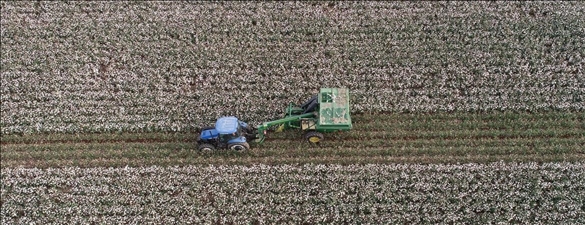
Recalling that groundwater supplies 60% of the country’s agricultural irrigation, Kadioglu warned of severe depletion in central farming regions, where water levels drop by an average of 3 meters annually.
“This means a debt deepening by 3 meters a year,” he said, noting that recent extreme rains damaged surface crops without offsetting the deep water deficit.
“Well levels will be low again during the irrigation season. March–May is the critical period. Yield loss is inevitable if temperatures remain high.”
While partial dam capacities provided temporary relief for certain crops such as maize and sunflower in southern regions, precipitation remained drastically below normal throughout the water year.
“There is hope in irrigated areas, but the crisis risk continues in rain-fed farming areas,” he said, highlighting the negative impact on early crop development in southeastern zones.
Spring temperatures 1-2 degrees above normal
Evaluating regional forecasts, Kadioglu noted that spring temperatures are expected to hover 1 to 2 degrees above seasonal norms.
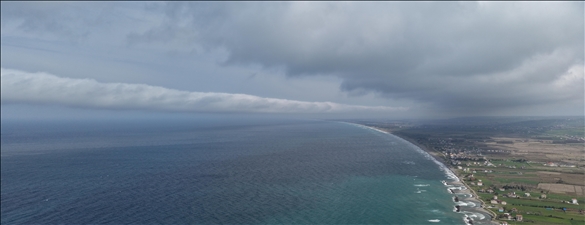
Highlighting a striking contrast in the country’s climate geography, he explained that the northern Black Sea coast remains almost completely unaffected by the drought.
“The region is continuously fed by humid Black Sea air masses,” he said.
He noted that mountain ranges prevent these weather systems from penetrating central regions, effectively turning the Black Sea coast into a “moisture island.”
‘Water is a matter of strategic national resources’
“Above-average rainfall for at least 6 to 12 months is needed to recover from a deep hydrological drought. This is possible, but current forecasts do not indicate this,” Kadioglu said, warning that the hydrological deficit will not be offset by short-term precipitation.
He underlined that groundwater recovery in central agricultural hubs could take decades. To ensure water supply security, he urged increasing urban conservation, maximizing water transfer systems and accelerating the shift to drip irrigation, drought-resistant seeds and rainwater harvesting.
Kadioglu also warned that a dry and hot spring would leave the country with limited dam reserves for the summer and that water restrictions and crop losses in dry farming areas could become inevitable.
“Water is no longer just a climate issue, but a matter of strategic national resources,” he added.