Jo Harper
10 March 2026•Update: 10 March 2026
WARSAW
Poland is planning to build what could become Europe’s most advanced anti-drone defense system after suspected Russian drone incursions into its airspace during attacks on Ukraine.
The planned system, known as San, is being developed by a Polish-Norwegian consortium and is intended to protect Poland’s borders from drones and low-flying aerial threats, according to Polish defense officials and industry partners cited by the Financial Times.
Prime Minister Donald Tusk described the project as “the most modern, intelligent and integrated anti-drone defence system in Europe,” warning that Russia’s war on Ukraine has dramatically changed the security environment across the region.
“Instead of theoretical discussions about future European solutions, we want a system that can be tested and deployed on our border as quickly as possible,” retired Polish general Jaroslaw Gromadzinski told Polish media.
The initiative follows several incidents in which suspected Russian drones entered Polish airspace during attacks on Ukraine.
In September last year, several drones launched by Russia crossed into NATO territory before being intercepted.
Those incidents exposed weaknesses in existing air defense systems, which are designed primarily to counter missiles or aircraft rather than low-cost drones.
“We were forced to use fighter jets and expensive missiles against drones that cost a fraction of that,” Gromadzinski said. “It showed very clearly that we need a layered defence system tailored specifically for this type of threat.”
The San system is being developed by a consortium that includes Polska Grupa Zbrojeniowa (PGZ), Poland’s state-controlled defense group, Norwegian defense company Kongsberg and Polish radar and anti-drone specialist Advanced Protection Systems (APS).
APS has supplied radar and counter-drone equipment to Ukraine since the start of Russia’s full-scale invasion in 2022.
Under current plans, the system will include 18 mobile anti-drone batteries equipped with sensors, radar systems and weapons mounted on military vehicles.
The first operational units are expected to be delivered to the Polish armed forces later this year, with the full system scheduled to become operational within about two years.
The project is expected to be partly financed through loans available under new European Union defense funding initiatives aimed at expanding arms production across the bloc.
However, the financing plan has become politically contentious in Poland.
Opposition figures from the conservative Law and Justice (PiS) party argue that relying on EU defense financing could allow Brussels to influence Polish procurement decisions.
President Karol Nawrocki, backed by the party, has suggested the project could instead be financed using domestic resources, including central bank reserves.
Poland has become one of Europe’s largest defense spenders since Russia launched its full-scale invasion of Ukraine in February 2022.
Military spending now exceeds 4% of Poland’s gross domestic product (GDP), the highest level among NATO members.
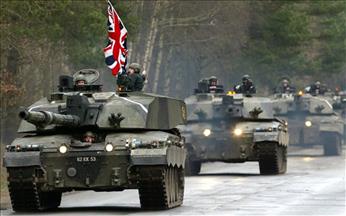
Warsaw has also become a key logistics hub for Western military assistance to Ukraine and has invested heavily in new weapons systems, including tanks, missile defense and artillery.
Defense industry officials say projects such as the San system could also help position Poland as a center for European counter-drone technology.