31 March 2016•Update: 08 April 2016
By Alex Jensen
SEOUL
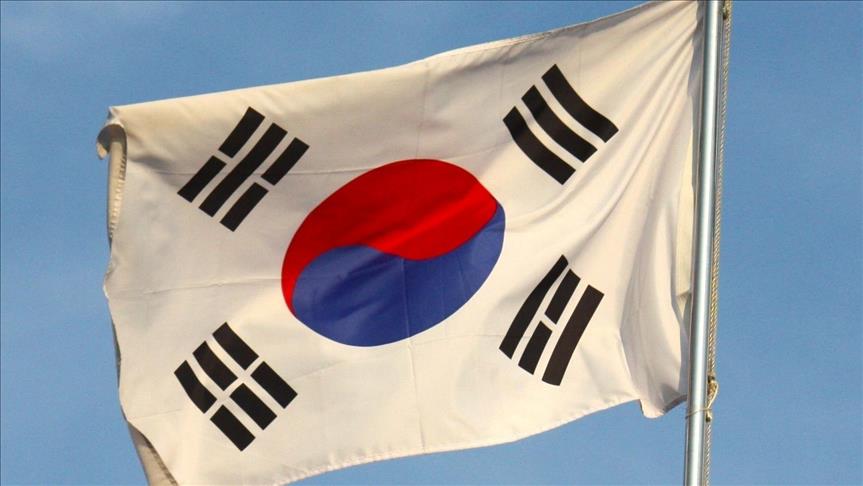
South Korea sent home Thursday the remains of 36 Chinese soldiers who died during the Korean War more than six decades ago.
It was the third round of repatriations since Seoul and Beijing reached a deal in 2014, allowing the return of more than 500 Chinese soldiers.
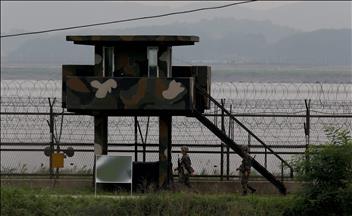
Tensions on the peninsula have been particularly pronounced this year -- serving as a reminder that the Koreas never agreed a peace treaty after their 1950-53 conflict, which saw China suffer hundreds of thousands of casualties while fighting on the side of the North against the South and its United Nations allies.
"The repatriation of remains has become a new opportunity to cleanse war-wrought scars and to take the friendship between South Korea and China one step further," stated Seoul's defense ministry.
Those words carried all the more significance as South Korean President Park Geun-hye was to hold a summit with her Chinese counterpart Xi Jinping later Thursday, in Washington D.C.
The Park-Xi meeting is one of several high-profile dialogue opportunities on the sidelines of this week's Nuclear Security Summit, which follows North Korea's fourth ever nuclear test earlier this year and a series of subsequent provocations by the authoritarian state.
Experts claim China has been growing weary of the regional instability created by the North's refusal to comply with multiple U.N. resolutions, and Beijing has already vowed to ensure Pyongyang feels the weight of strengthened sanctions.
Seoul appeared hopeful Thursday of further bolstering its warming ties with China, with a foreign ministry spokesperson revealing South Korea's hope that Park's talks with Xi could provide "crucial momentum" in terms of handling the growing North Korean nuclear threat.