Barry Eitel
21 September 2015•Update: 21 September 2015
SAN FRANCISCO
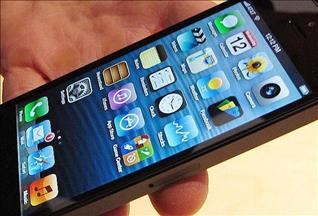
Apple announced Monday that half of all Apple devices have upgraded to its latest mobile operating system in the past five days, the most rapid adoption of an iOS ever.
“iOS 9 is also off to an amazing start, on pace to be downloaded by more users than any other software release in Apple’s history,” according to a statement from Philip Schiller, the company’s senior vice president of worldwide marketing,
But the launch has not been smooth. Following a delay-filled rollout last Wednesday that angered many users, several cyber-security firms charged over the weekend that many popular iPhone and iPad apps were infected with malware. Many of the compromised apps were popular in China, including messaging platform WeChat and Uber-like ride service Didi Kuadi.
Apple confirmed the issue late Sunday said and it had removed more than 300 apps that left users vulnerable to hackers. The infection, which uses a malicious program called “XcodeGhost” to corrupt app developer software Xcode, is the first major attack on Apple’s App Store.
“A fake version of one of these tools was posted by untrusted sources which may compromise user security from apps that are created with this counterfeit tool,” Apple noted in a statement Monday. “To protect our customers, we’ve removed the apps from the App Store that we know have been created with this counterfeit software and we are working with the developers to make sure they’re using the proper version of Xcode to rebuild their apps.”
Also Monday, a spy agency contractor offered $1 million for a method to hack into iOS 9. Cyber-security start-up Zerodium claimed it would pay up to $3 million for techniques to break into Apple devices via mobile website, in-app action or text message.
Apple’s latest smartphones, the iPhone 6S and iPhone 6S Plus, will be available in several countries beginning Friday.