GENEVA
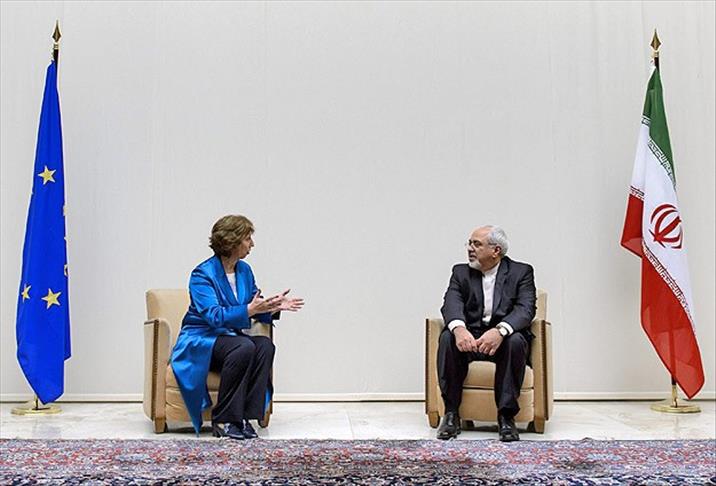
Iran resumed negotiations with P5+1 in Geneva on Tuesday since Hassan Rouhani became the country's president in August.
The two-day meeting, the first since relative moderate Hassan Rouhani was elected Iran's president on a platform to ease its international isolation, is seen as the best chance in years to defuse a long stand-off over Iran's nuclear program.
United States (US) and Iranian officials both sought to lower expectations for the talks while also warning that time for diplomacy could be short.
Rouhani faces pressure at home to quickly win relief from economic sanctions that have crippled Iran’s economy, while Israeli officials have threatened a military strike to stop what they see as a steady march to a nuclear weapons capability.
Michael Mann, a spokesman for EU foreign policy chief Catherine Ashton, said they were taking place in a "positive atmosphere".
"All the time there is a reason the sanctions to be there. The sanctions will remain in place. Only when there are concrete changes on the ground, would that be a possibility to change that" Mann said.
Stating that the P+5 group was looking forward to discussing Iran's latest proposal and expressed "cautious optimism", Mann said:
"We have a proposal on the table, specifically on the confidence building measures. Confidence building measures has to come from the Iranian side. It is the Iranian side who we believed breached international obligations."
The meeting in Geneva on Oct. 15-16 is the first talks on Iran’s nuclear program since April.
While Iran wants to see an end to the international sanctions the Security Council has imposed over Tehran's controversial nuclear program, the West demands Iran to implement the additional protocols of Non-Proliferation of Nuclear Weapons (NPT) and make its nuclear program more clear.
The meeting marked the highest-level direct contact between representatives of Iran and US in six years, as diplomatic relations between the two states broke down following the 1979 Islamic Revolution.
In previous rounds of talks, the world powers demanded Iran stop the enrichment, shut down its Fordo uranium enrichment facility and export its supply of low- and medium-enriched uranium - a demand known as "stop, shut, ship",a demand Iran under former Iranian President Ahmadinejad failed to comply with.
US and its allies believe that Iran is developing nuclear weapons, however the Iranians say they are enriching uranium for peaceful purposes. The country has enriched uranium to less than 5%, consistent with fuel for a civilian nuclear power plant.