Lina Altawell
24 June 2026•Update: 24 June 2026
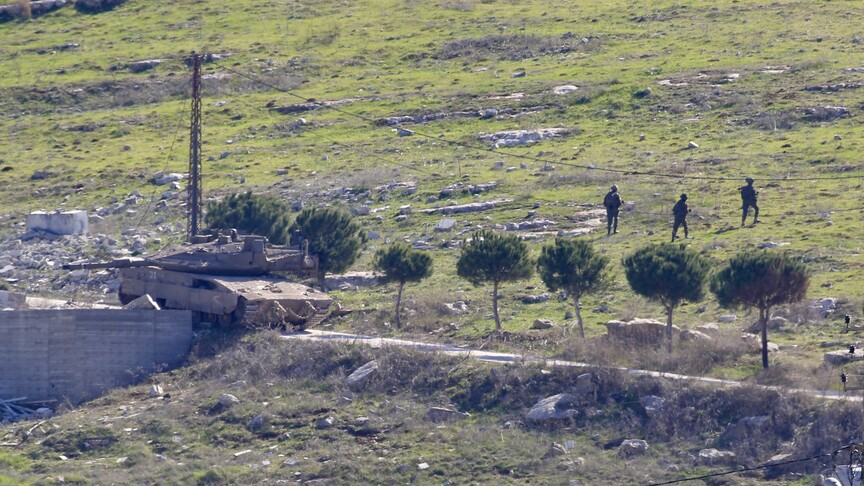
Israeli forces deployed in southern Lebanon are suffering from "frustration, stagnation and operational paralysis" as they become "hostage to broad diplomatic moves," the Israeli newspaper Haaretz reported Wednesday, citing military commanders.
Amid ongoing negotiations between the US and Iran, which also include Israel's war on Lebanon, military commanders believe the Israeli army has become tied to diplomatic developments, the report said.
The US and Iran signed a memorandum of understanding on June 18 and began talks Sunday in Switzerland, mediated by Pakistan and Qatar, to reach an agreement to end the war that the US and Israel began against Iran on Feb. 28.
Israeli Prime Minister Benjamin Netanyahu and Defense Minister Israel Katz continue to make sharp statements about maintaining "absolute freedom of action" in Lebanon.
"But the reality on the ground, as revealed in conversations with several senior officers, points to the exact opposite," the newspaper reported.
Since March 2, 2026, Israel has been waging an offensive on Lebanon that has killed 4,192 people, wounded 12,171 and displaced more than 1 million, according to Lebanese figures.
Israel occupies areas in southern Lebanon, some for decades and others since the previous war between 2023 and 2024. During its current offensive, Israeli forces advanced more than 10 kilometers into Lebanese territory.
The army has almost completely refrained in recent days from carrying out proactive field operations, contrary to public pledges by the political leadership, Haaretz reported, citing Israeli army commanders serving in southern Lebanon.
"Field commanders and officers in the army's Northern Command report a deep sense of frustration, a state of stagnation and operational paralysis caused by uncertainty resulting from moves by the political echelon," the newspaper said.
Israel continues its offensive on Lebanon, despite the US-Iran memorandum of understanding calling for fighting to stop on all fronts, including Lebanon.
Writing by Lina Altawell in Istanbul