Gulseli Kenarli
13 March 2026•Update: 17 March 2026
ANKARA
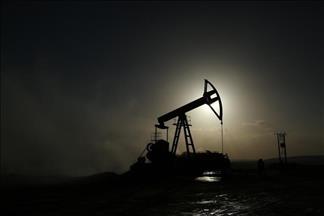
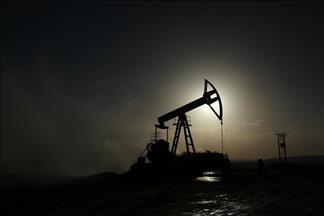
Fires at Iran’s oil storage facilities and refineries have released large amounts of greenhouse gases and pollutants into the atmosphere, potentially worsening air quality in neighboring countries.
Air quality alerts have been issued in Turkmenistan, Kazakhstan, Uzbekistan and Tajikistan, while pollution could also affect western Afghanistan and Pakistan.
According to the Conflict and Environment Observatory (CEOBS), the incident poses serious short- and long-term health risks for the more than 9 million residents of Tehran.
People in Tehran may face different concentrations of pollutants depending on their proximity to the fires, building density, time spent outdoors and weather conditions.
Speaking to Anadolu, Mikdat Kadioglu of Istanbul Technical University’s Climate Science and Meteorological Engineering Department said pollutant clouds carrying the potential for acid rain are drifting toward Turkmenistan and Pakistan.
Kadioglu said smoke from oil fires can spread across vast areas depending on meteorological conditions, noting that current winds are transporting pollutant clouds east and northeast.
The academic said pollutants from Iran’s oil fires are currently drifting eastward at altitudes of 1-2 kilometers, posing no immediate threat to Türkiye.
However, he warned that if winds shift westward, provinces in eastern Anatolia could be affected.
He said fires at oil depots and refineries can generate intense emissions in a single event, with key pollutants including sulfur dioxide and nitrogen oxides -- gases that contribute to acid rain formation.
Kadioglu also recalled the 1991 Kuwait oil fires, when smoke from burning oil wells remained in the atmosphere for months and affected a vast geographical area.
Major sites, including the Aghdasieh and Shahran oil depots, the Tehran refinery and a facility in Karaj, were struck overnight March 7‑8.
The incidents occurred during “Operation Epic Fury,” a US-Israeli military campaign against Iran that began in late February 2026.
The World Health Organization warns that burning oil facilities release a toxic mix that can contaminate air, food and water, posing serious risks to children and older adults.
The Iranian Red Crescent Society has urged residents to avoid so-called “black rain” and stay indoors to reduce risks of lung damage, heart disease and long-term cancer.