Japan’s Fukuoka sees record temperatures as heat wave leaves 79 dead


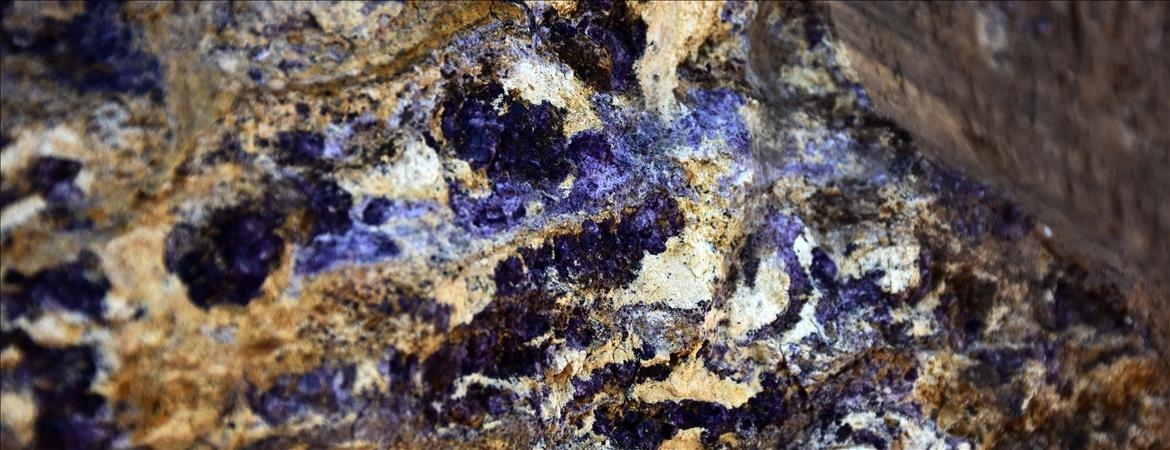
These natural resources, including antimony, barite, beryllium, bismuth, borates, cobalt, gallium, germanium, tantalum, tungsten and vanadium, are found in only a limited number of countries worldwide. Their extraction and export are largely concentrated in the hands of certain countries. They are considered essential raw materials for the economic security of developed countries, the transition to a low-carbon economy and long-term sustainability.
Today, these resources are used in the production of clean energy and modern technology products, most notably electric vehicles, solar panels and wind turbines, driving increased demand among countries investing in renewable energy. Critical minerals are increasingly becoming the focus of the emerging energy geopolitics, securing a place on the global agenda of energy geopolitics and international relations, which in the last century was shaped by fossil fuels.
Rare-earth elements (REE), which are included in the category of critical minerals, play a key role in the construction of power plants and in the production of wind turbines, solar panels, electric vehicles and batteries, which serve as energy storage units. Found in small quantities in nature and therefore called rare-earth elements, they include the eponymous lanthanum, cerium, praseodymium, neodymium, promethium, samarium, europium, gadolinium, terbium, dysprosium, holmium, erbium, thulium, ytterbium and lutetium.