Japan’s Fukuoka sees record temperatures as heat wave leaves 79 dead


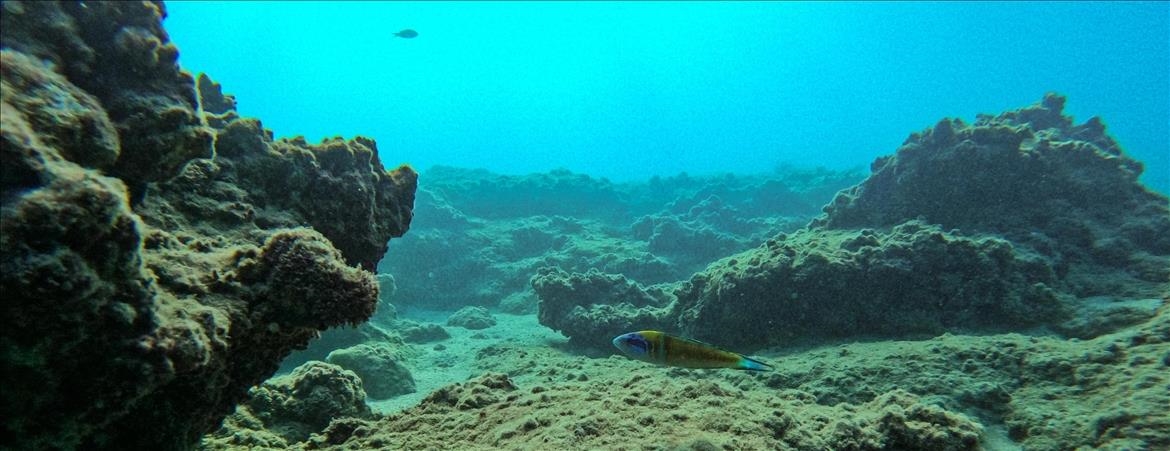
With the increasing world population and industrialization, the demand for mineral materials is also rising. While mineral resources are gradually decreasing, the cost for companies to locate and extract land-based minerals is increasing. At this point, many global actors show a tendency to develop new strategies in order to meet future mineral needs.
One of these strategies is “deep-sea mining.” Many countries and mining companies see deep-sea mining as a potential alternative mining method, both for economic and geopolitical reasons, in order to secure future mineral raw material supplies.
Among the valuable minerals located in deep seas and attracting the interest of mining companies are copper, nickel, aluminum, manganese, zinc, lithium, silver, gold, and cobalt. The demand for these minerals is rapidly increasing, especially because they are used in the production of technological devices such as mobile phones, wind turbines, solar panels, and batteries.
The mentioned minerals are found in the deep sea in the form of manganese nodules (polymetallic nodules), cobalt crusts (polymetallic crusts), and polymetallic sulfides (seafloor massive sulfides, SMS). Among the regions rich in these minerals on the seafloors of the world’s oceans are the North-Central Pacific Ocean, the mid-ocean ridge systems in the Indian Ocean, and the Mid-Atlantic Ridge.
These activities, which are stated to endanger the deep-sea ecosystem and biodiversity in various ways, are controlled by the International Seabed Authority (ISA).