Melike Pala
01 July 2026•Update: 01 July 2026
Belgian Defense Minister Theo Francken has proposed ending Belgium's observer status in the Franco-German Future Combat Air System (FCAS) fighter jet program, citing stalled cooperation between industrial partners, according to remarks made in parliament on Wednesday.
Francken told the Chamber's Defense Committee that Belgium had not received official communication from FCAS partners Airbus and Dassault, despite recent reports of a breakdown in cooperation over the project's development, Dutch-language national broadcaster VRT reported.
"We can read the newspapers, but we are clearly not being treated fairly," he said, adding that the project "has little added value at this moment."
Belgium joined the FCAS program as an observer in April 2024.
The initiative, launched in 2017 by France and Germany, aims to develop a next-generation fighter aircraft to replace the Rafale and Eurofighter Typhoon fleets, with operational deployment planned for around 2040.
However, recent tensions between industrial partners have cast doubt on the program's progress, with reports indicating disagreements between Airbus and Dassault over development responsibilities.
Prime Minister Bart De Wever has previously described the situation as "pure stupidity."
Francken said he would submit a proposal to the federal government to formally end Belgium's observer role in the program.
The previous Belgian government had allocated nearly €70 million ($79 million) to prepare the country's defense industry for participation in FCAS.
According to Francken, only a small portion of the funds has been used so far.
He added that any remaining resources could be redirected once Belgium withdraws from the project.
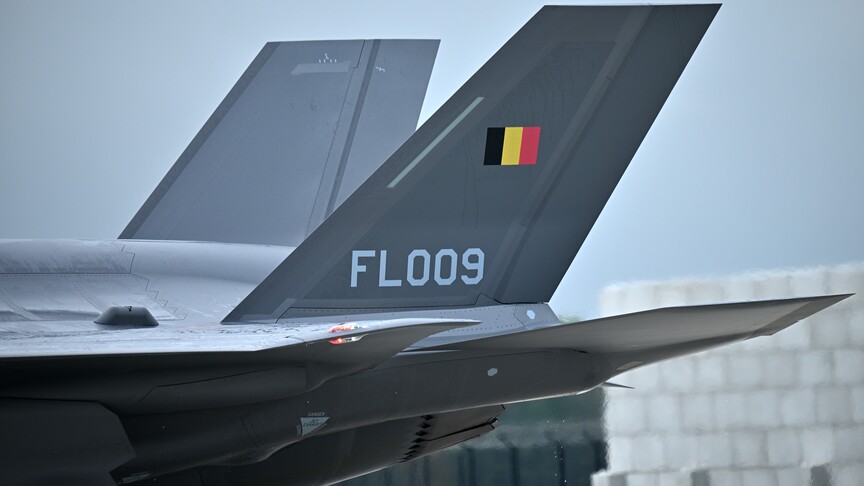
Looking ahead, Francken said Belgium is interested in exploring alternative cooperation models, including Collaborative Combat Aircraft (CCA), involving unmanned systems operating alongside fighter jets such as the F-35.
He stressed that Belgium remains committed to European defense cooperation, noting that neighbouring countries such as Germany and the Netherlands remain "particularly interesting partners."