Kasım İleri
05 March 2016•Update: 05 March 2016
By Kasim Ileri
WASHINGTON
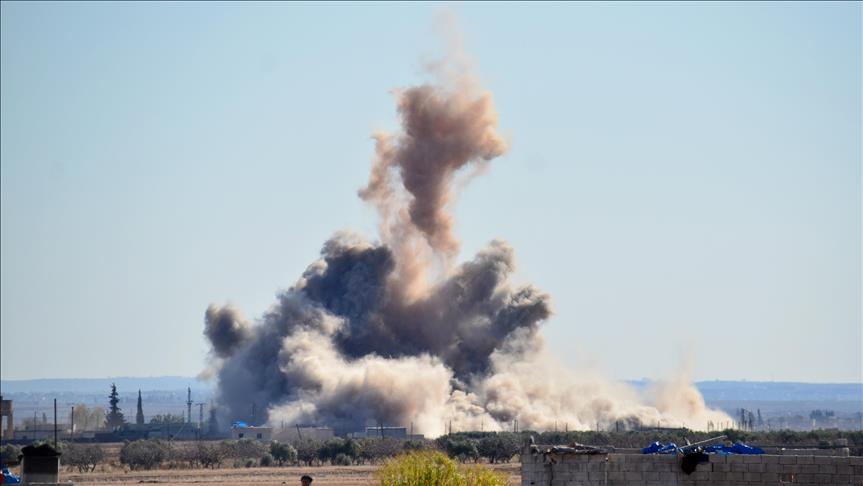
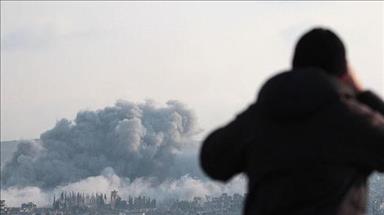
Daesh has less than 10,000 militants in Mosul, a U.S. military official said Friday, but noted that it may be an “optimistic estimate” to secure the city by the end of this year.
Along with U.S.-led coalition ground and air support, as many as eight to 12 Iraqi brigades and two Kurdish peshmerga brigades each with 2,000 - 3,000 troops will take part in efforts to recapture Mosul from Daesh, according to U.S.-led coalition spokesman Col. Christopher Garver.
The time line for the operation, slated for the end of this year, “is still an Iraqi timeline,” Garver said, noting that it is still too soon to estimate whether it will happen.
“Iraqis are still building the plan,” he said. “We are supporting them with their plans, but we look for ways to accelerate the timeline.”
Responding to a question about the slower pace of development by the Iraqi army compared to militia groups in Syria who have captured several cities in northeastern areas, Garvey tied it to the geographical conditions and military structural differences.
“When you are in the Euphrates river valley and Tigris River valley, the two river valleys which they [Daesh] are having, to root out Daesh along that way is very different than attacks across the open desert which we have seen in Hasakah, al Hawl and now in Shadadi,” he said.
He also suggested that the “Iraqi army is still in building process and they are moving at an army’s pace” which slows the operations.
According to Garver, as Mosul has narrow streets and surrounded with homemade explosives called IEDs, it will also be difficult to uproot terrorists there.
“Morale is necessarily good inside Mosul for ISIS right now,” Garver said.
He said Daesh militants are trying to send their families out of Mosul and have begun to pay less to its fighters because of U.S. strikes on the group’s banks and oil facilities.
Gen. Joseph Dunford, Joint Chiefs of Staff chairman, told a Senate committee earlier this week that the operations against Mosul have started and retaking the city is not well into the future.
Two days later, however, Defense Intelligence Agency chief, Marine Corps Lieut. Gen. Vincent Stewart agreed with Garvey in terms of timeline.
“Taking and securing Mosul in the next eight to 10 months is not something I’m seeing in my crystal ball," Stewart told the House Armed Services committee.