By Ahmed Amin
BAGHDAD
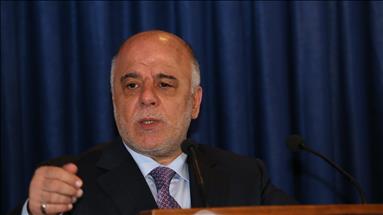
Brewing conflict between former Iraqi Prime Minister Nouri al-Maliki and current Prime Minister Haider al-Abadi – both of whom belong to Islamic Dawa Party – are threatening the country with further polarization and political paralysis, according to analysts and political figures.
The conflict began earlier this month when al-Abadi introduced a package of reforms, which included the elimination of three vice-presidencies, one of which had been held by al-Maliki.
The move took effect immediately and al-Maliki – who served as Iraqi PM from 2006 to 2014 – is no longer vice-president, although he remains at the helm of the Dawa Party, which enjoys the support of next-door Iran.
But Iraqi political analyst Ihsan al-Shammary says al-Maliki won’t easily cede his power and influence, going on to assert that political conflict between al-Maliki and al-Abadi could eventually culminate in armed conflict.
Politically, al-Maliki is currently consolidating his position through the "State of Law" parliamentary coalition, of which he is the leader, said al-Shammary.
Simultaneously, the analyst noted, al-Maliki is fortifying his military influence through the support of several armed Shia factions.
These include the Badr Organization, Hezbollah, the League of the Righteous, and the Nujaba Movement, the latter of which is the largest faction within the Al-Hashd al-Shaabi, a state-sponsored umbrella group comprised of dozens of Shia militias.
- Fears of polarization
Given al-Maliki’s considerable influence in Iraq’s “deep state”, al-Shammary believes the brewing conflict between the two men could lead to further polarization in Iraq and serve to paralyze the country’s already-fraught domestic political situation.
Ezzat al-Shabander, a former MP and a Dawa Party founder, attributed al-Maliki’s influence within the party to the numerous institutions he established – with enormous budgets – during his eight-year term as prime minister.
Even though al-Abadi managed to oust al-Maliki as vice-president by eliminating the post, al-Maliki nevertheless wields greater influence than al-Abadi in the Dawa Party, according to al-Shabander.
The former MP went on to assert that, while al-Maliki had benefited from his party’s legacy of struggle with former strongman Saddam Hussein, his subsequent “misbehavior” hurt the reputation of the party, which, he said, currently lacks popular support.
Earlier this month, al-Abadi introduced a sweeping package of reforms ostensibly aimed at improving public services and rooting out widespread government corruption.
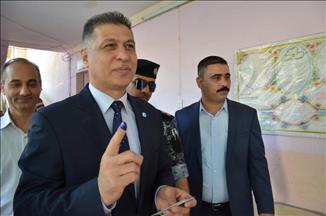
It also did away with three vice-presidencies, effectively sidelining al-Maliki, along with former VPs Usama al-Nujayfi and Ayad Allawi, all three of whom had faced allegations of corruption by their critics.
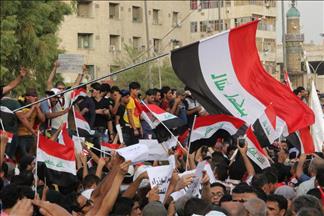
The move followed two weeks of countrywide demonstrations held to protest government corruption and demand improved public services.
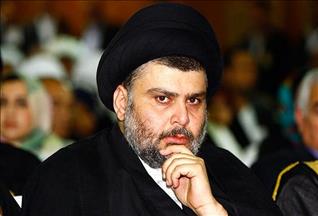
Al-Abadi’s reform efforts have receive wide-ranging support from both the public and prominent political and religous personalities, indluding Iranian-born Shia cleric Ayatollah Ali al-Sistani and Muqtada al-Sadr, the influential leader of Iraq’s Shia Sadrist movement.
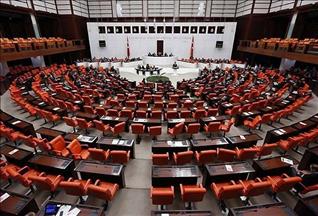
On Aug. 11, al-Abadi’s reform package was overwhelmingly approved by Iraq’s parliament.