ISTANBUL
By Ayse Humeyra Atilgan
Thailand's embattled government says it will practise the utmost restraint in tackling protesters wishing to disrupt national elections, and seek cooperation from all parties to avoid acts that may provoke "future violence."
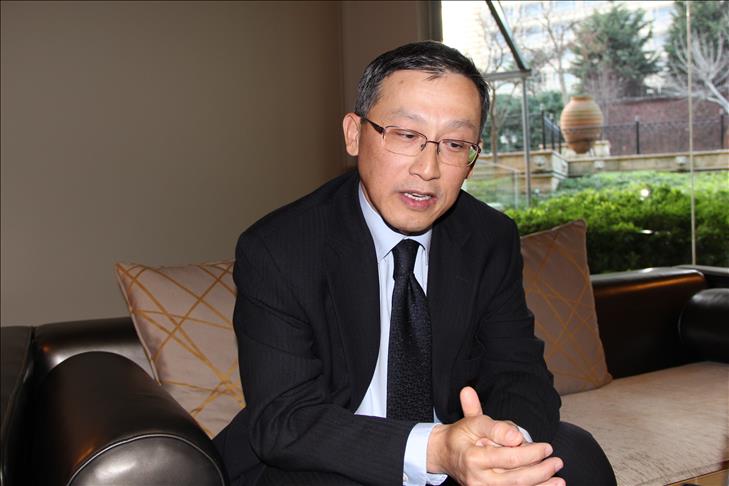
In a conversation with the Anadolu Agency, the country's ministry of foreign affairs' deputy permanent secretary described a recent incident where an anti-government protest leader was shot as "regrettable."
"In this regard, efforts have been made to provide extra-security measures for the protesters," said Narong Sasitorn.
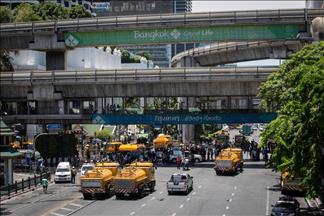
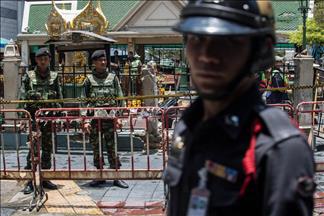
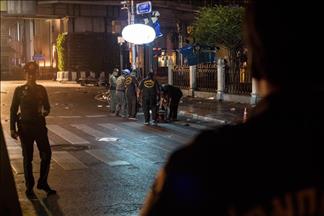
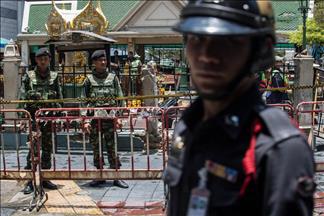
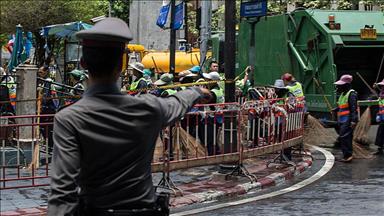
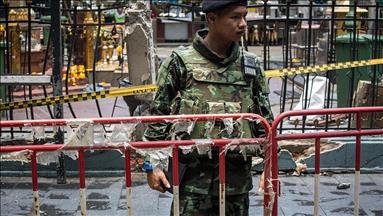
Thailand is on red alert going into Sunday's elections. A state of emergency has been declared with the country lurching from crisis to crisis, with shootings, protests, bomb blasts, and even death.
The protest leader was shot dead in Bangkok last week and fights broke out as protesters blocked polling stations.
Sasitorn, however, told AA that "despite the large number of protesters at several of the protest sites, the situation prior to this incident has been largely peaceful and things were more or less in order."
"Certainly, this is a challenging time for Thailand; but Thai people will eventually overcome this challenge. The rule of law will have to take its course in finding a solution to this matter."
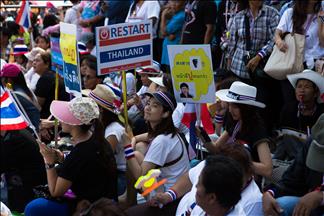
Flag-waving anti-government protesters blocked early polling stations across Bangkok Sunday, but the government has not relented, the Constitutional Court ruling Tuesday that elections will continue.
"Abiding by the ruling of the Constitutional Court, the government held consultations with the Election Commission on 28 January, and it was later agreed that the election will proceed as scheduled, which is on February 2," Sasitorn said.
Looking to the future, he said it was difficult to say if elections will ease tensions.
"I have a sense that there might be some objections to the results... but that has to be handled within election laws, and we would have to proceed according to the Constitution."
Sasitorn played down fears that demonstrations may get more violent as the elections draw closer.
"As the protest leaders have made pledges of non-violent and peaceful demonstrations, and at the same time the government has affirmed its commitment to resolving the situation peacefully through dialogue, we hope things will remain under control," he said.
Sasitorn told AA that Thailand would learn from its problems.
"One thing we can learn from the political crisis in Thailand is that we cannot take the democracy for granted," he said. "We have to keep strengthening the democratic institutions... we have to to make sure that Thai people understand what really democracy means."
He said that if a large group of people raises its voice against present practises, they have to be listened to.
"I believe the present administration is listening to the voice of opposition and recognises the need to make some adjustments," he said.