By Alex Jensen
SEOUL
South Korea threatened Friday to intervene in a scheme by a North Korean defector and his fellow activists to launch balloons with copies of “The Interview” into the North -- despite still refusing to prohibit such activities on the border.
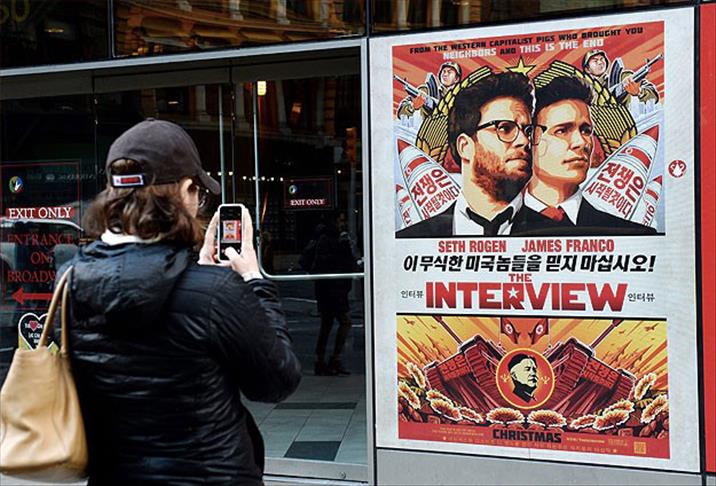
The Hollywood movie, based on a fictional assassination attempt on North Korean leader Kim Jong-un, was released on Christmas Day despite last year's cyber attack on the studio behind the project. The United States has accused Pyongyang of being behind the hacking of Sony Pictures regardless of the North's denials.
While 'The Interview' has skipped South Korea out of concern for Seoul-Pyongyang ties, an activist group based in the South is planning to risk North Korea's ire by floating DVDs of the movie into the reclusive state later this month.
Fighters for a Free North Korea chief Park Sang-hak, a defector from the North, insisted Thursday that Seoul could not stop them unless they jailed him -- but he did also offer to "rethink the plan should the government make an official request."
A day later and the South Korean unification ministry declined to do so, though they did have a message for Park.
"The government plans to request [that the group] make a wise decision in order to prevent physical or property risks among local residents at the border area," ministry spokesperson Lim Byeong-chul said at a media briefing.
Local politicians had added to the pressure on Seoul as a parliamentary committee adopted a resolution Thursday calling for the government to protect citizens from the consequences of the border launches.
Last October, North Korea attempted to shoot down balloons packed with leaflets and other information, further fuelling complaints from border residents about their own safety.
Lim added that action would be taken to counter such launches if residents' security was threatened.
In the past, Seoul has angered Pyongyang by citing freedom in refusing to ban such activities.
Also on Friday, North Korea's official Rodong Sinmun newspaper cautioned that future relations between the two sides, technically at war since 1950, depend "on the attitudes of the South Korean government."