05 April 2016•Update: 11 April 2016
By Alex Jensen
SEOUL
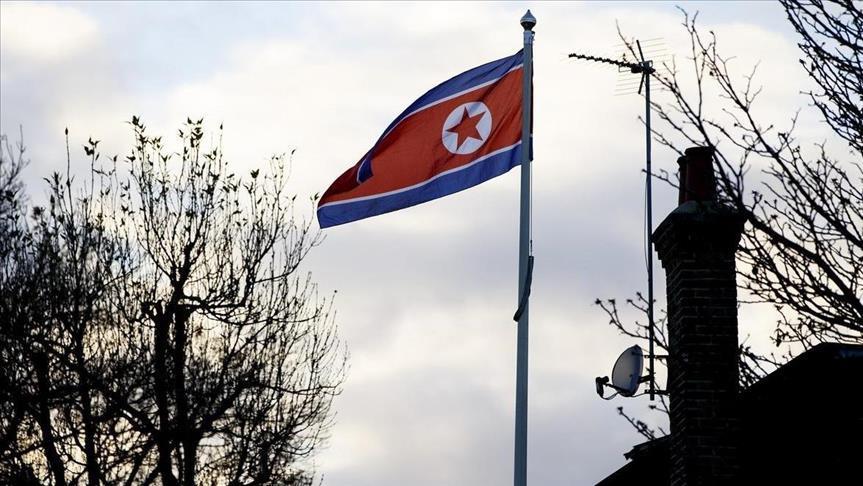
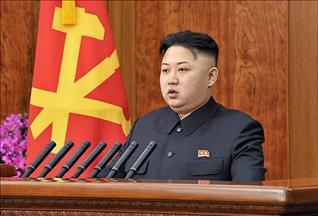
North Korea’s latest appeal for dialogue was snubbed by Seoul Tuesday, with Pyongyang also continuing to release aggressive threats aimed at South Korea.
Having claimed over the weekend that negotiations would be the source of a “fundamental solution” to tensions on the peninsula rather than military pressure, the North’s DPRK Today propaganda website displayed a video depicting an attack on several targets in Seoul.
It also repeated a recent ultimatum calling on the South’s President Park Geun-hye to apologize for overseeing strategic plans to defeat Pyongyang’s regime in the event of a resumption of war.
The 1950-53 Korean War ended in a stalemate, with no peace treaty agreed as yet.
“As long as the North refuses to show its willingness to denuclearize and shuns any change, pressure by us and the rest of the world will continue,” a South Korean foreign ministry official was quoted as saying by local news agency Yonhap.
North Korea was hit with strengthened sanctions by the United Nations Security Council following the authoritarian state’s fourth ever nuclear test in January and long-range rocket launch a month later.
Pyongyang has also been upset by joint military drills over the last few weeks involving South Korea and the United States -- both of whom have maintained that they are open to dialogue if the North takes denuclearization seriously.
That message was repeated by Seoul Tuesday, but North Korea appears to be going in the opposite direction.
Over in the U.S. Monday, analysts cited satellite imagery suggesting that there has been “suspicious activity” at the North’s Yongbyon nuclear complex, potentially linked to the separation of weapons-grade plutonium from waste.
A 38 North report pointed to exhaust plumes at the facility as a sign that "the operators of the reprocessing facility are heating their buildings, perhaps indicating that some significant activity is being undertaken, or will be in the near future.”
Pyongyang claims to have already tested a hydrogen bomb as well as developing the ability to miniaturize nuclear warheads in order to pose a threat to far-flung enemies such as the U.S.