TOKYO
Groups representing Chinese victims of forced labor have agreed to settle a dispute with Mitsubishi Materials Corp. over abuses by its predecessor during World War II, according to local media Friday.
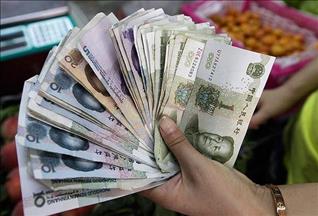
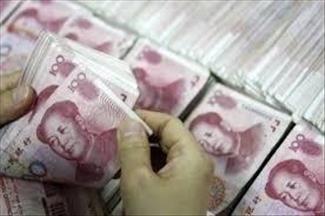
Kyodo News cited unnamed sources informed about the negotiations as saying Mitsubishi Materials is willing to offer an apology and compensation of 100,000 yuan (around $16,000) to up to 3,765 Chinese victims of Mitsubishi Mining Co. and its subcontractors.
Only around 1,500 survivors and their families have been found of the 3,765 victims.
Around 39,000 Chinese people were forced to work in Japan between 1943 and 1945 as a response to the need for labor in sectors such as mining and construction.
The hard conditions led to the deaths of around 6,830.
The sources told Kyodo Thursday that Mitsubishi Materials would also pay 100 million yen ($807,680) to build a monument aimed at not repeating historic abuses, as well as 200 million yen to search for missing victims and their families.
In terms of the number of victims being compensated, the settlement is the largest by a Japanese company, according to the agency. It also marks the first case in which a firm has decided on a postwar settlement with Chinese war victims despite a Japanese Supreme Court ruling against such a move.
In 2007, the court had ruled that Chinese nationals’ judicial right to demand wartime compensation had been renounced after China and Japan issued a joint communique in 1972 when normalizing relations.
The report comes in the wake of an apology over the weekend by Mitsubishi Materials to Americans used as forced labor in mines during the war.
In addition to Chinese victims, around 57,900 Koreans were shipped to Japan during the war to work essentially as slave laborers.
Seoul and Beijing continue to share a sense of unfinished business regarding Japanese imperialism.
Earlier this month, Tokyo achieved world heritage status for industrial revolution sites that were also destinations for thousands of forced laborers from its former colonies -- including the Korean Peninsula and parts of China.
The recognition for the facilities, however, came alongside an admission that “there were a large number of Koreans and others who were brought against their will and forced to work under harsh conditions in the 1940s at some of the sites.”