DHAKA, Bangladesh
Six Bangladeshi Islamist leaders have been given death sentences since trials began in 2012.
Most of the accused are leaders of Bangladesh Jamaat-e-Islami, the country's largest Islamic party, including three former ministers and members of parliament.
The death penalty was given to Bangladesh Jamaat-e-Islami (BJI) President and former minister Maulana Matiur Rahman Nizami, BJI Vice President Maulana Delwar Hossain Sayedee, former MP and Chairman of the Religious Affairs Standing Committee of the Bangladesh National Parliament Ali Ahsan Mohammad Mujahid, BJI Secretary General Muhammad Kamrujjaman, Assistant Secretary General Salahuddin Quader Chowdhury of the Bangladesh Nationalist Party (BNP) and former Parliamentarian Maulana Abul Kalam Azad.
The Bangladesh Supreme Court will make a final the death sentences after hearing the appeals.
Sayedee, Mujahid, Kamruzzaman and Chowdhury have already lodged appeals with the Supreme Court. Sayeedi’s appeal is currently pending at the appellate division of the supreme court. The remaining appeals are awaiting a hearing.
The ruling Awami League has accused Jamaat-e-Islami and other Islamist forces of having committed war crimes during the 1971 Bangladesh Liberation War.
Nizami, Mujahid, Qumrujjaman and Azad were among those who supported a unified Pakistan during the war.
In 1973, Bangladesh's Founding President Sheikh Mujibur Rahmaan declared a general amnesty for those accused of war crimes.
After the Awami League won the 2008 general election, an International Crimes Tribunal was created to provide for the detention, prosecution and punishment of those responsible for committing genocide, crimes against humanity, and war crimes.
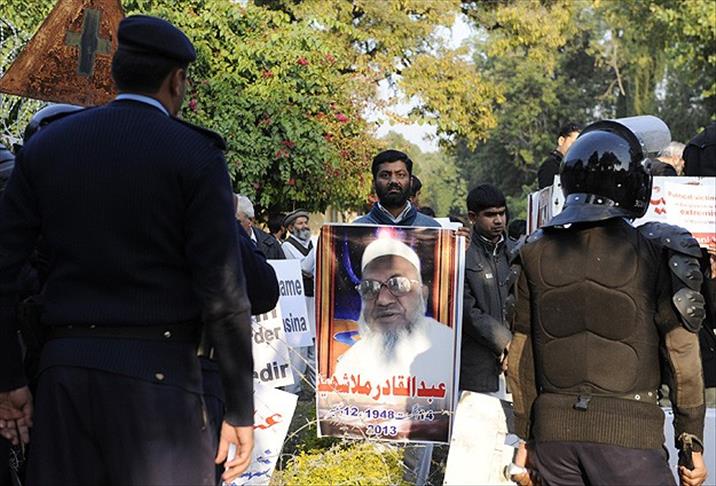
In December last year, assistant secretary of Jamaat-e-Islami, Abdul QuaderMollah (65), was executed after being convicted by the International Crimes Tribunal of atrocities he allegedly committed during the 1971 independence war from Pakistan.
By Ferdous Ahmad Bhuiyan