Fatjon Prronı,Hajer M'tırı
08 March 2016•Update: 08 March 2016
PARIS
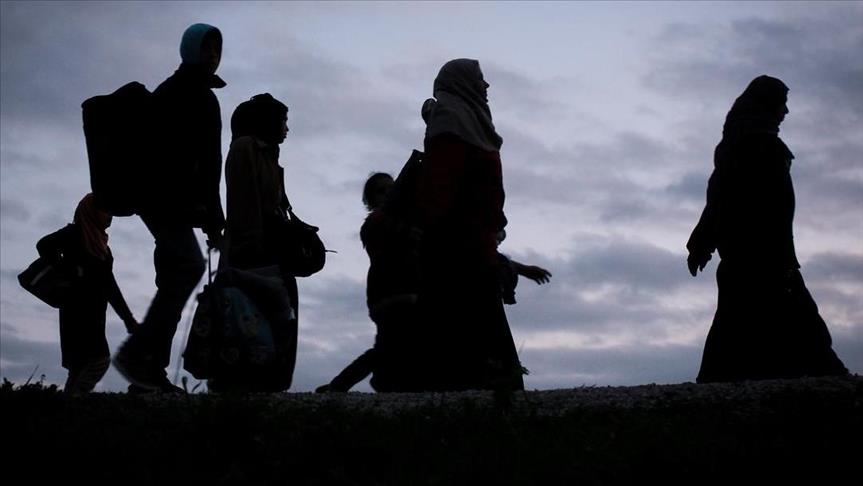
The UN Refugee Agency has voiced concerns over some proposals discussed at the recent EU-Turkey summit in Brussels, especially the arrangements involving the blanket return of refugees from one country to another.
UN High Commissioner for Refugees Filippo Grandi feared the deal discussed between the EU and Turkey could be risky and harmful for refugees and asylum seekers in general.
“I am deeply concerned about any arrangement that would involve the blanket return of anyone from one country to another, without spelling out the refugee protection safeguards under international law,” Grandi told the European parliament Tuesday.
He dismissed the idea that asylum seekers should be sent back to countries they fled and explained that they should only be returned to a third state where it will be ensured that they will be protected, “and if the individual will be able to seek and, if recognized, enjoy asylum in accordance with accepted international standards, and have full and effective access to education, work, healthcare and, as necessary, social assistance”.
The high commissioner also highlighted the need for a “coordinated European response, based on solidarity, political leadership and the sharing of responsibilities to stabilize the situation and manage the movement of people more effectively” in order to “properly address the flow of refugees and migrants in Europe”.
“We need a new approach to develop an effective European asylum system, not only to manage the current refugee and migrant movement, but also for the future,” Grandi explained.
The organization’s spokesman, William Spindler, told reporters in Geneva that “Turkey hosts close to three million refugees and has made enormous contributions for years and just recently adopted a work regulation for Syrian refugees, but, in light of the enormity of the task, still struggles to provide for all the basic needs of the swelling Syrian population”.
Spindler said details and safeguards “should be clarified before the next meeting of the EU Council” on March 17.
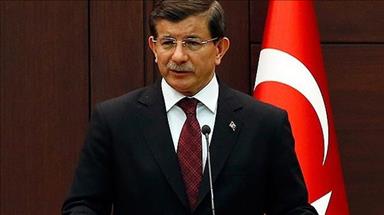
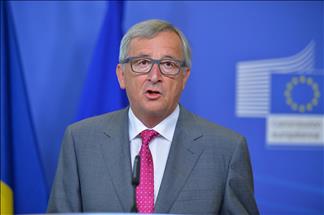
The European Union leaders agreed on a wide range of proposals by Turkey to solve the migration crisis Monday, including the return of all irregular migrants, accelerating visa liberalization process for Turkish citizens and sharing the work of hosting Syrian refugees.
Ankara has requested visa-free travel for its citizens by the end of June and an additional 3 billion euros ($3.3 billion) to meet the needs of Syrian refugees in Turkey.
According to Turkey’s proposal to the EU, seen by Anadolu Agency, the country wants the 28-nation bloc to "share the burden'' based on a formula of "for every Syrian readmitted by Turkey from the Greek islands, another Syrian will be resettled from Turkey to the EU member states".
In the meantime, the UN Refugee Agency said: “Europe’s resettlement commitments remain, however, very low compared to the needs”.
On the other hand, they welcomed any initiative that promotes regular pathways of admission for refugees in significant numbers from all neighboring countries in the region - not just Turkey and not just Syrian refugees - to third countries.
About Monday’s EU-Turkey summit, Chancellor Angela Merkel said “the fight against illegal migration is an area where we have made clear and visible progress”.
Addressing a joint press conference with UN Secretary-General Ban Ki-moon in Berlin Tuesday, Merkel said the governments must do everything in their power to prevent people from dying in the Aegean Sea while crossing from Turkey to Greece.
She said the details of the agreement with Turkey were going to be a complicated, but there was agreement over its basic structure.
“Unfortunately, some countries have taken one-sided decisions; I did not welcome that because, as I said, the situation in Greece is not sustainable,” Merkel said.
Ban Ki-moon voiced his concern about the growing anti-refugee rhetoric and increasingly restrictive asylum policies many countries are adopting in Europe.
“I’m concerned that many European countries are adopting increasingly restrictive asylum policies,” he said.
“Extreme right wing and nationalistic political parties are inflaming the situation where we need to be seeking solutions, harmonious solutions based on shared responsibilities,” he said.
Ban said he is “deeply worried by growing anti-migrant and anti-refugee rhetoric and by violent attacks against these communities”.
He warned that “such actions divide communities”, and that “there is a need for dialogue with and within the affected communities to avoid the polarization”.