09 March 2016•Update: 09 March 2016
TOKYO
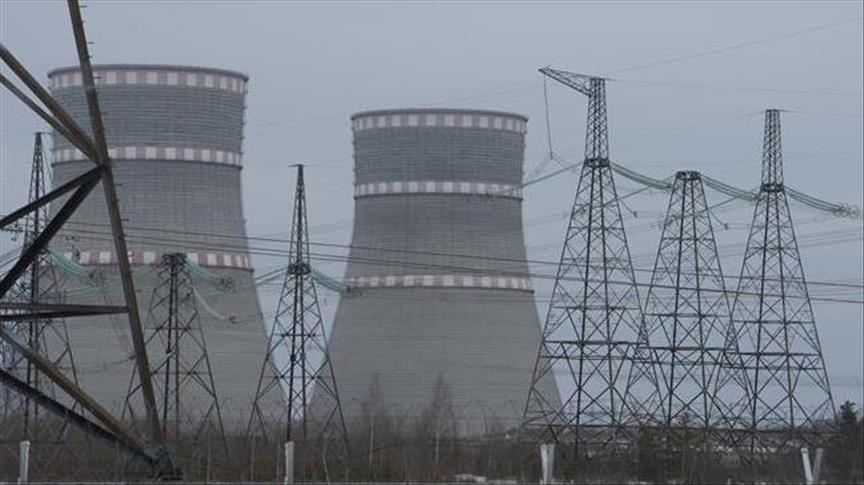
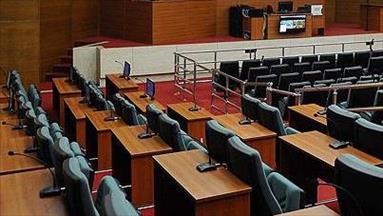
A Japanese court has ordered two nuclear reactors not to operate despite being cleared according to safety standards introduced after a 2011 nuclear plant meltdown.
The order follows an injunction filed by residents living within a 30-kilometer radius of Takahama plant, who cited insufficient safety measures and concerns that many of them could still be exposed to radiation if such a severe accident occurs.
Kyodo news agency reported Wednesday that the Otsu District Court injunction would see the No. 3 unit at Takahama on the Sea of Japan shut down and the No. 4 unit kept offline because its operation was recently suspended due to equipment trouble.
Both plants are owned by Kansai Electric Power Company. Plant No. 3 was only restarted Jan. 29 this year.
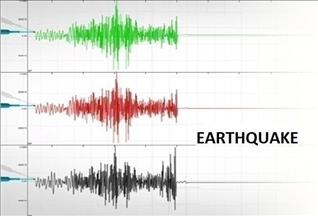
On, 11 March 2011, the Great East Japan Earthquake and tsunami damaged four reactors at Fukushima nuclear reactor, melting the cores in three of them and forcing more than 150,000 people to leave their homes.
A large percentage of those who left have not been able to return.
More than four years later, some areas near the plant are still uninhabitable, and more than 110,000 people continue to live as evacuees in and outside of Fukushima.
Revamped safety regulations introduced in 2013 oblige utilities to put in place specific countermeasures against such severe accidents as reactor core meltdowns and a huge tsunami.
Kyodo reported Wednesday's court judgment as a blow to the government's renewed push for nuclear power, adding that it could also cast doubt on the new safety regulations.