25 January 2016•Update: 25 January 2016
By Alex Jensen
SEOUL
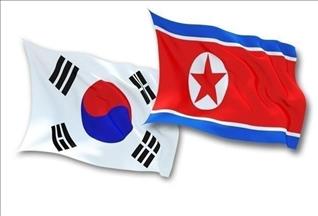
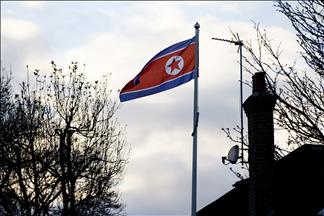
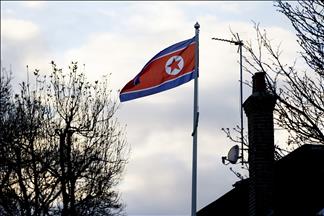
The United Nations appears no closer to punishing North Korea for its nuclear test earlier this month, given China’s disagreement with the United States on how to proceed, a South Korean official claimed Monday.
Washington has already drawn up a draft resolution, but Beijing has the power to veto sanctions led by the U.S. or other parties at the U.N. Security Council.
Previous resolutions have not prevented North Korea from continuing its rogue nuclear development program – but the U.S., South Korea and Japan have been united in calling for tougher moves since the North’s claimed hydrogen bomb test Jan. 6.
Meanwhile, China has been establishing diplomatic and trade ties with Pyongyang, and has been seen to favor dialogue as the best way to handle its southern neighbor.
"The Chinese side, as has been the case in the past, is extremely slow at first,” the South Korean official was cited as telling reporters by local news agency Yonhap.
Beijing and Washington could, however, be set to make progress this week when U.S. Secretary of State John Kerry arrives in the Chinese capital.
South Korea has been unable to persuade China to hold multilateral dialogue with both Seoul and the U.S., as Beijing would inevitably upset Pyongyang were North Korea to be excluded.
The Seoul-Washington alliance has been the North's prime security concern for decades.
Last week, the South’s President Park Geun-hye proposed five-way talks with the U.S., China, Russia and Japan.
Park was also cited Monday as warning in a government meeting that her country should be ready for further North Korean provocations.
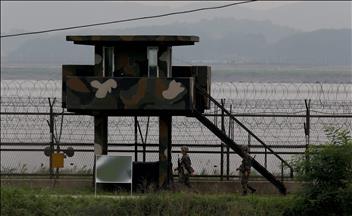
The two sides, who never signed a peace treaty at the end of the 1950-53 Korean War, have been engaging in a propaganda battle at the border since the North’s nuclear test.
A cyber attack was one possibility being considered by the Park government, as it announced that it was raising its related alert level following the arrival of suspicious e-mails.