HONG KONG
Pro-establishment lawmakers in Hong Kong took out a half-page advertisement in newspapers Friday to apologize for a walkout that occurred shortly before the legislature defeated a Beijing-back election reform package.
“We deeply regret the mistaken we made, and we are deeply apologetic to the vast majority of residents who has been supporting the reform proposal all along,” the South China Post reported the statement – published in at least seven Chinese-language newspapers – as saying.
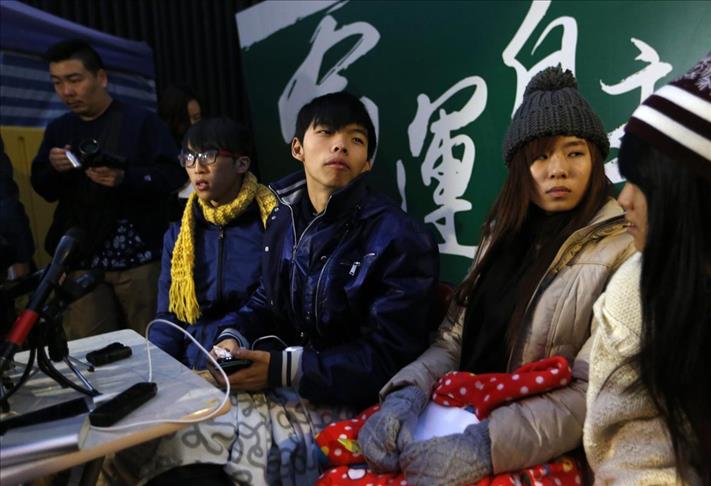
On Thursday, pro-democracy lawmakers blocked a package that would have allowed a body loyal to Beijing to dictate which candidates stood for chief executive - the territory's most powerful position - in 2017 elections.
After more than 30 pro-establishment lawmakers walked out of the chamber before the vote, 27 pan-democrats and one pro-establishment lawmaker voted against the proposals – which had led to 11-week protests against “fake democracy” last year.
Only eight votes were cast in favor of the plan, although even if they had attended, the package would not have achieved the two-thirds majority required.
The lawmakers later said they had left in the hope of buying time for rural strongman Lau Wong-fat to arrive, but their attempt failed as more than half of the lawmakers remained.
A key decision maker behind the move has also issued an apology following calls from allies and supporters.
Ip Kwok-him of the Democratic Alliance for the Betterment and Progress of Hong Kong told NowTV that he would bear responsibility for “the 33 lawmakers’ inability to cast their yes votes.”
After the vote, opponents and supporters of the proposals who had gathered before the legislature Thursday broke out into a chorus of cheers and boos upon hearing the results.
Regina Ip Lau Suk-yee, a New People’s Party lawmaker who had joined the walkout, shed tears Friday morning while expressing grief at not being to vote.
“The central government must be very disappointed,” she told Commercial Radio. “I also feel very sad. I didn’t sleep well yesterday. I really wanted to cast my vote.”
China’s top legislature has responded to Thursday’s vote by saying Beijing’s decision last August – which would have allowed "one man, one vote" suffrage among pre-approved candidates -- would continue in the future.
The General Office of the Standing Committee of the National People's Congress accused pan-democrat lawmakers of having "denigrated decisions made by the central authorities, spared no efforts in blocking the universal suffrage motion, and reduced Hong Kong's democratic development to a standstill."
It added in a statement that they had “stood in the way of Hong Kong's democratic development and undermined Hong Kong's prosperity and stability for their own personal gains."
Hong Kong, a former British colony, returned to Chinese rule in 1997 under a "one country, two systems" formula that promised a high degree of autonomy from Beijing, including universal suffrage.
The 2014 protests, which involved more than 100,000 people at their peak, were seen as one of the most serious challenges to China's authority since the 1989 Tiananmen Square protests that ended with a bloody crackdown in Beijing.