By Alex Jensen
SEOUL
North Korea said Friday that it has the answer its southern neighbor so sorely needs -- a cure for MERS.
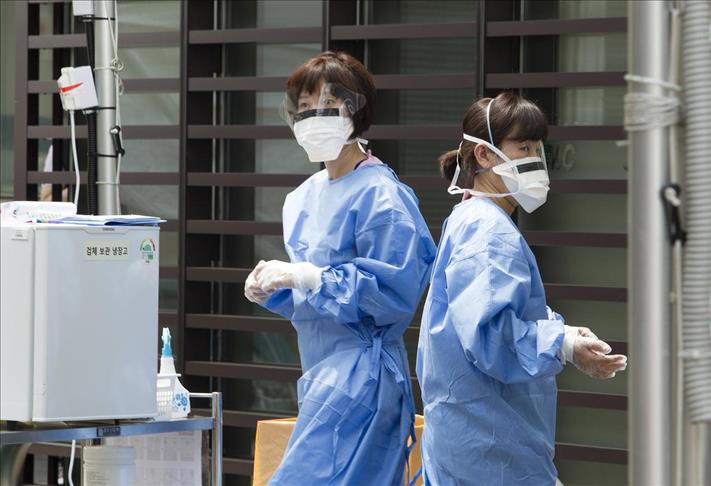
The flu-like virus has killed 24 South Koreans among 166 cases that have emerged in the country since May 20, according to the latest official count.
Despite recently asking for Seoul’s help in preventing MERS from spreading to the inter-Korean Kaesong Industrial Complex, Pyongyang boasted that it possesses an effective treatment in the form of ‘Kumdang-2’ -- a concoction of ginseng and other natural ingredients.
"As a strong immune-activator, the injection has been recognized to prevent different malignant epidemics," reported the North’s state news agency the KCNA.
There is no single verified cure for MERS, which has a fatality rate of more than 40 percent in Saudi Arabia, where the virus was first discovered three years ago.
But North Korea also hailed ‘Kumdang-2’ in the past for its purported powers against regional outbreaks of SARS and avian influenza.
It would be easy to be skeptical given the thousands who die from tuberculosis every year in the North, based on a United Nations report last month.
South Korean President Park Geun-hye would no doubt benefit from a miraculous cure, however, as it was revealed Friday that public confidence in her has sunk below 30 percent for a third time this year.
A Gallup Korea poll of 1,000 adults carried out between Tuesday and Thursday found that just 29 percent of people approved of the president’s performance.
At least Park did have her choice of prime minister confirmed by lawmakers a day earlier -- in his first full day leading the country’s MERS control tower, Hwang Kyo-ahn said sorry for the “insufficiency in the government's initial response.”
Hwang has the opportunity to oversee the battle against South Korea’s outbreak at a time when new infections have dropped to their slowest pace.
Just one additional case was announced by the Health Ministry on Friday, while at least 30 patients have fully recovered.
There is still room for caution though, as the ministry fears tens of thousands more people may have been exposed to MERS, which the World Health Organization believes mainly spreads within healthcare settings. Most of the disease’s victims were also elderly or infirm before contracting the virus.