ANKARA
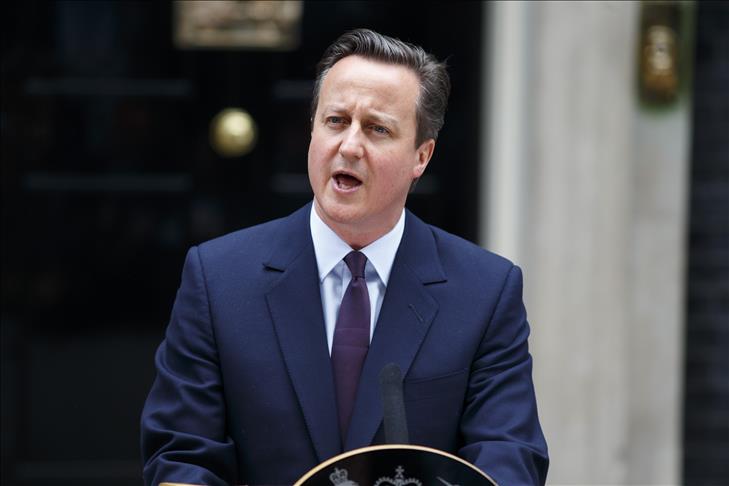
British Prime Minister David Cameron was warned Monday that migrant worker rights were a “red line” as he seeks to renegotiate the terms of his country’s EU membership.
Speaking to the Financial Times on Monday, Poland’s Europe minister, Rafal Trzaskowski said: “We are ready to sit at the table and talk about what needs to be reformed… but when it comes to immigration, our red lines are well known.”
Cameron’s center-right Conservative Party -- with its eurosceptic backbenchers -- won a second term in office with a majority government after last Thursday’s general election.
One of Cameron's core campaign pledges was an in-out referendum on Britain’s membership of the 28-nation bloc by 2017, based on reformed terms of its membership of the union.
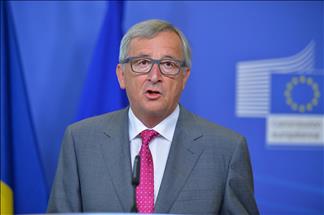
On the day of his victory, European Commission President Jean-Claude Juncker released a conciliatory statement saying: “I stand ready to work with you to strike a fair deal for the United Kingdom in the EU.”
“I think today there are better conditions for… a Yes to be obtained because in fact Prime Minister Cameron now has renewed, fresh legitimacy,” former European Commission president Jose Manual Barroso told the BBC’s Today program Monday.
Although Cameron’s victory was welcomed by other European leaders, they were quick pour cold water on any British attempts to secure special treatment.
“We don’t like it when Hungarian workers are called migrants; they are EU citizens with the freedom to work in other European countries,” Hungarian EU minister Szabolcs Takacs told the Financial Times, saying freedom of movement was a “red line.”
One of the reforms Cameron has in mind is forcing migrant workers to wait four years before claiming social security benefits, a move which has riled poorer Eastern European countries wary of a two-tier workers’ rights system.
Barroso sympathized with the issue of abuse of social security systems, but added: “I personally have many doubts about that one and also the compatibility with the legal system we have in the European Union.”
Conservative backbencher David Davis told the BBC’s Andrew Marr Show Monday that he “would put immigration, very important in the public mind, to one side.”
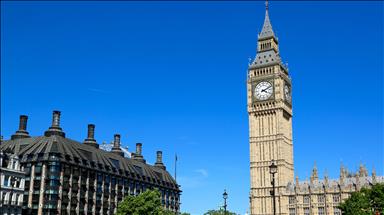
“Freedom of movement is important but it is not the main one,” he said. “The main one is that we are able to say in future to the Europeans that ‘this is too far for us.’ Not a veto but an opt-out… It’s all about restoring control of our destiny to the House of Commons.”
“Poland’s strategic interest is to keep Britain in,” Polish minister Trzaskowski told the Financial Times. “But it does not mean we will agree to anything.”