Timo Kirez
05 June 2026•Update: 05 June 2026
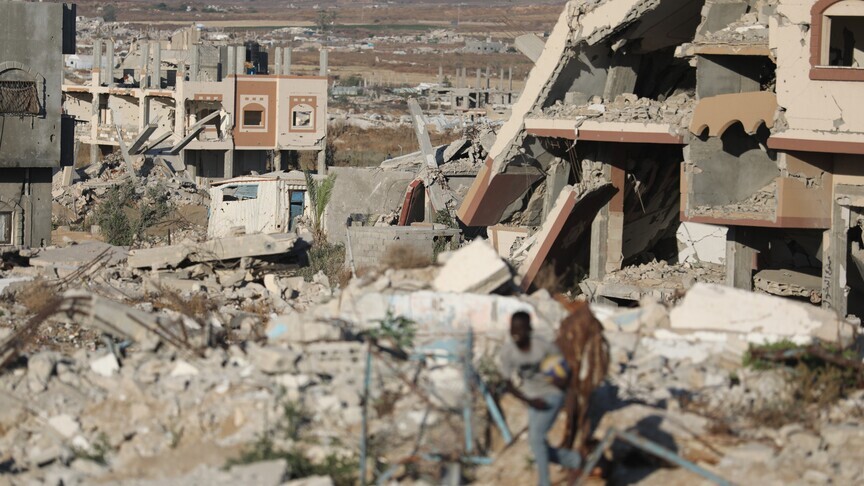
An Austrian-based NGO on Friday warned of “unbearable humanitarian conditions in Gaza,” citing acute shortages of food and clean water as well as the growing risk of disease outbreaks.
Initiative Christian Orient (ICO) said its partner organization, Caritas Jerusalem, is only occasionally able to deliver powdered milk for infants and toddlers, food, and hygiene supplies to Palestinians in need in Gaza.
The NGO said living conditions in the enclave have become unimaginable, based on reports from Caritas Jerusalem aid workers operating on the ground.
According to those reports, doctors fear outbreaks of serious diseases, with some even warning of the possible spread of plague.
In addition to food shortages, Gaza is facing a severe lack of safe drinking water, a situation the organization said is having particularly devastating consequences for children.
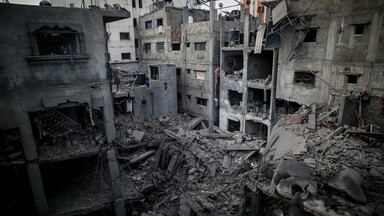
The NGO further reported that children in tent camps often wake up screaming at night because rats bite their fingers and toes as they sleep amid piles of garbage and sewage.
The ICO cited Harout Bedrossian, deputy secretary-general of Caritas Jerusalem, as saying: "Mountains of uncollected trash and debris cover entire neighborhoods, providing ideal breeding grounds for insects, rats, and pathogens. Flies swarm through the tents and transmit hepatitis A and severe diarrheal diseases. Rats and mice spread deadly infections through bites, urine, saliva, fleas, and feces."
According to the report, Gaza's water infrastructure has been largely destroyed, including pipelines, wells, and desalination facilities. Residents are forced to travel long distances to obtain drinking water.
The water that is available is often unsafe for consumption, but people have few alternatives, and the health consequences are already becoming evident, the organization said.
Aid organizations, including Caritas Jerusalem's medical teams, have also reported a rise in cases of diarrhea and hepatitis A, particularly among displaced families living in overcrowded shelters with inadequate sanitation facilities, according to the report.