Germany records over 5,000 deaths from June heat wave


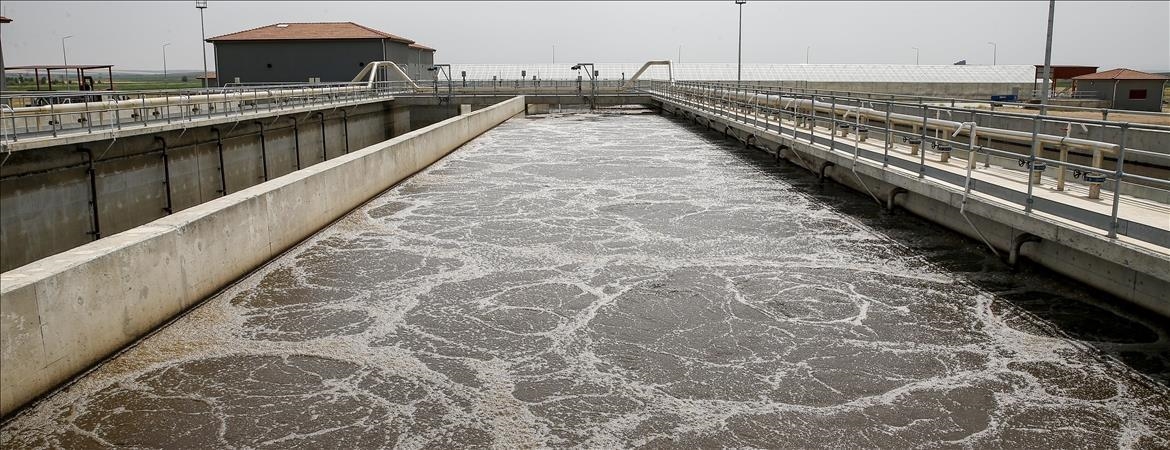
Wastewater refers to water that has been contaminated or whose properties have partially or completely changed as a result of domestic, industrial, agricultural, or other uses.
Water discharged after use from households, industrial facilities, various commercial establishments, institutions, and similar buildings is classified as wastewater.
Although domestic wastewater may appear colored and dirty and contain various soluble or insoluble substances, 99 percent of it is still water, while the remaining portion consists of organic and inorganic mixtures.
What are the sources of wastewater?
- Greywater comes from showers (excluding kitchen sinks), bathtubs, washing machines, dishwashers, and bathroom sinks.
- Blackwater comes from toilets and kitchen sinks.
Wastewater can also originate from agricultural and industrial sources. Some types of wastewater are more difficult to treat than others. For example, industrial wastewater can be very challenging to treat while domestic wastewater is relatively easier, but the increasing presence of pharmaceuticals and personal care product residues makes treatment more complex. Commercial wastewater comes from non-domestic sources such as beauty salons, taxidermy shops, furniture repair businesses, musical instrument cleaning workshops, or auto body repair shops. This type of wastewater may contain hazardous substances and requires special treatment or disposal.
What is wastewater treatment?
Wastewater treatment refers to physical, chemical, and biological processes applied to restore some or all of the physical, chemical, and bacteriological properties lost as water becomes wastewater through various uses. Its purpose is to ensure that water discharged into receiving environments does not alter the natural physical, chemical, bacteriological, or ecological properties of those environments.
Methods of wastewater treatment
A biological treatment plant removes dissolved organic matter in wastewater through bacteriological activity, chemical wastewater treatment plants are used to remove dissolved or suspended substances in wastewater that do not settle under the influence of gravity by precipitating them, and physical wastewater treatment plants are preferred to remove solid substances in water that can settle on their own from wastewater.
The importance of wastewater treatment
Discharging untreated wastewater into receiving environments leads to the contamination of water resources that are already diminishing worldwide. Therefore, wastewater treatment is essential for preventing pollution and enabling more efficient use of existing water resources.
Where can treated wastewater be used?
Treated wastewater can be used to replenish groundwater as a reliable and sustainable water source. Even when domestic wastewater is treated using advanced biological treatment and membrane technologies, the resulting treated water is not used as drinking water, but it can be used for irrigation.