Officials from past UN climate change conferences ready to help this year's COP31 in Türkiye


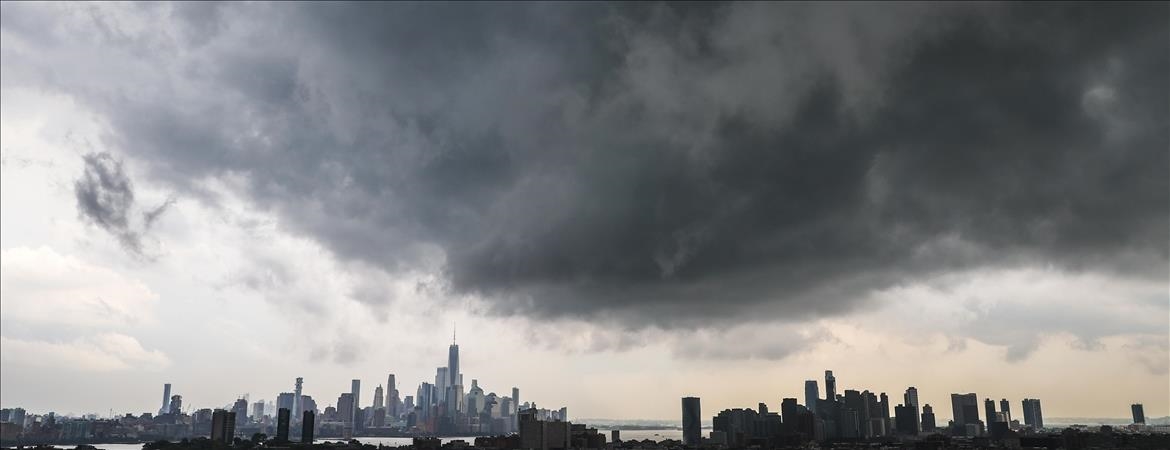
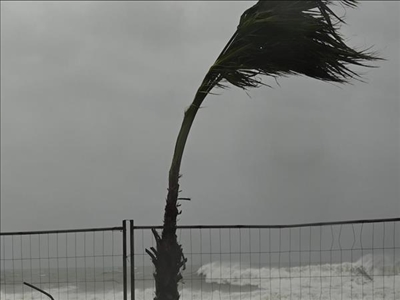
When wind speed reaches 40 to 60 kilometers per hour, it is considered a strong breeze and gale, and when it exceeds 60 kilometers per hour, it is classified as a storm.
Strong storms and winds are often accompanied by rain, snow, or hail, and in many cases, storms associated with mid-latitude or tropical cyclones are accompanied by lightning, thunder, and thunderstorms.
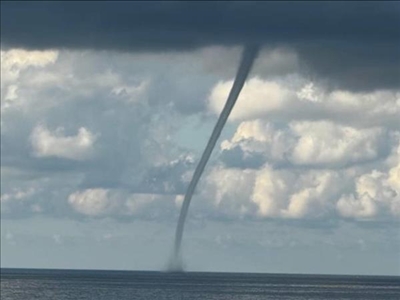
Wind alone is not the only factor in the formation of a storm; various meteorological events also contribute to its formation. A storm typically begins once wind speed surpasses 60 kilometers per hour. This speed can rise to 120 kilometers per hour; at this point the storm may evolve into a hurricane.
Cyclonic storms, which can reach dangerous levels for humans, often form over the seas and oceans before moving toward coastal and inland areas, causing severe damage. These powerful storms can trigger storm surges and large waves in seas and oceans.
From the moment a storm forms, it usually carries hydrometeors such as rain, hail, and snow. However, these can sometimes contain sand grains. Since these storms form in deserts, where sand is carried by the wind, they are called “sandstorms”.
Another type of storm forms as a result of ionization in space. Storms can be caused by the Earth's magnetic field and certain solar eruptions. Radio waves can be damaged in these types of storms.