Reviving lake in central Türkiye sees birds return amid drying wetlands


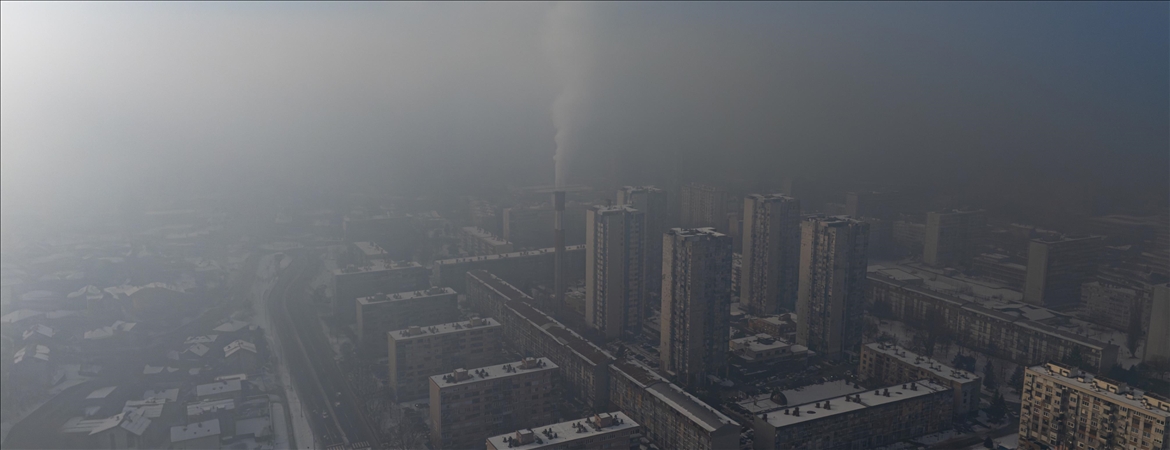
According to the report titled “Extraction Extinction: Why the Lifecycle of Fossil Fuels Threatens Life, Nature, and Human Rights”, prepared in collaboration with Amnesty International and the Better Planet Laboratory at the University of Colorado Boulder, fossil fuel infrastructure threatens the health, livelihoods and critical ecosystems of people living nearby.
The report demonstrates that the full lifecycle of fossil fuels destroys irreplaceable natural ecosystems and undermines human rights, particularly of those living near fossil fuel infrastructure.
According to the report, at least 2 billion people, including approximately 520 million children, live within five kilometers of more than 18 thousand operational fossil fuel infrastructure sites across 170 countries. At least 463 million people live within one kilometer of these sites, exposed to much higher environmental and health-related risks.
Given that over 16 percent of global fossil fuel infrastructure is sited on Indigenous territories, Indigenous Peoples are disproportionately exposed to risk.
At least 32 percent of the existing mapped out fossil fuel sites overlap with one or more “critical ecosystems”.
Increase in oil and gas projects
Extraction, processing and transportation of fossil fuels harm human rights, cause seriousdamage to the environment, create health risks, and lead to losses in culture and livelihoods. Some groups interviewed in the study described fossil fuel extraction as a form of economic and cultural pillage that companies perpetuate through intimidation and coercion.
More than 3,500 fossil fuel infrastructure sites worldwide are currently either proposed, under development or under construction. This expansion could put at least 135 million more people at risk. While oil and gas projects are increasing across all continents, the number of coal plants and mines is increasing most rapidly in China and India.
According to the report, fossil fuels still account for 80 percent of global primary energy supply, and despite commitments under international climate agreements and UN calls for immediate phase out from fossil fuels, governments’ actions remain insufficient.
“Respiratory and cardiovascular diseases are common among people in these areas”
Prof. Dr. Guray Celik, a faculty member in the Environmental Engineering Department at Bursa Uludag University, told Anadolu about the risks fossil fuels pose to the environment and human health. Fossil fuels, like any product or service, have a lifecycle, she said.
Celik noted that fossil fuels are extracted through mining, transported to storage sites, processed in refineries and then transported again for industrial use or energy production. Some fossil fuel types become waste, while others turn into emissions.
Celik explained that habitats are damaged during mining, drilling, land clearing and road destruction.
“For example, if acid mine drainage occurs, acidic water begins to spread. There would bechemical leaks. These happen wherever mining takes place. At the same time, dust levels increase. Local people start feeling the impacts on health. There is dust, heavy metals and constant noise exposure. Respiratory and cardiovascular diseases are common among people living in these areas,” she said.
“Refinery processes produce both wastewater and sludge”
Celik said leaks occur in pipelines during the transportation and storage of oil, harming marine ecosystems and fisheries as well as agricultural activities on land. She also stated that refinery processes generate both wastewater and sludge.
“When the refinery carries out these operations, it emits pollutants such as volatile organic compounds, air pollutants and other toxic substances. People living nearby face risks of asthma, COPD and cancer. Fossil fuels are not even burned at this point. The product produced gets sent to power plants, industries and buildings to be burned for energy. When fossil fuels burn, they generate greenhouse gases. On top of that, the combustion processes produce air pollutants. If we burn coal in a coal-fired thermal power plant to obtain energy, the residual waste forms massive piles of ash,” she said.
“Biodiversity and species losses may occur”
Celik warned that environmental pollution caused by fossil fuel infrastructure, along with fires, explosions and industrial accidents, creates risks for ecosystems and biodiversity. Shesaid bird migration routes and reproductive success may be affected, leading to species loss.
Emphasizing that human life depends on ecosystems, “The collapse of ecosystems means losing ecosystem services: Clean water, clean air, soil fertility, pollination. It means the collapse of water, carbon and nutrient cycles. When ecosystems collapse, we face food crises and extreme climate events, and we lose our carbon sinks. Their disappearance will trigger the climate crisis and increase extreme weather events. Economic risks will affect agriculture, fisheries, forestry, tourism and supply chains,” she concluded.
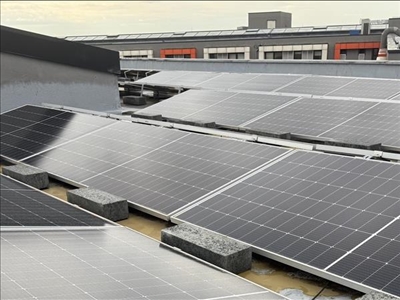
Contrary to the claims of fossil fuel lobbies, Celik highlighted that renewable energy sources can meet energy demand with proper planning, and the share of renewable energy in the energy system should be increased and fossil fuel subsidies removed.