By Andrew Jay Rosenbaum
ANKARA
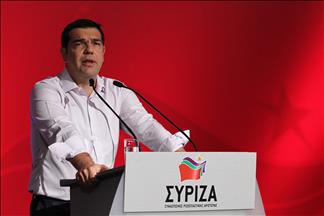
Markets have shrugged off the immediate effect of the Greek election, but analysts warn that greater volatility is ahead as the political fallout increases.
The victory of Greek radical coalition Syriza at first pressured stock markets, but most major indexes as well as the euro have since bounced back.
Syriza is dedicated to ending austerity measures imposed by Western lenders, as well as in restructuring or writing off the country’s public debt and a dispute could lead to financial turbulence.
The dollar reached an 11-year high of $1.14 against the euro on Friday morning, but pulled back to about $1.12 in trading on Tuesday.
"Major markets had largely priced in the impact of the Greek elections," analysts at Deutsche Bank told the Anadolu Agency.
Debt problems
The MSCI index of Asian shares was up 1 percent on Tuesday - close to a two-month high.
European markets opened mostly higher, and U.S. major indexes closed little-changed on Monday.
Stock index futures show a slightly lower open for major U.S. markets on Tuesday.
But the longer-term effects of the Syriza victory, particularly in the case of an ongoing dispute between Greece and the International Monetary Fund, the European Central Bank, and the European Union – the trio of major debtholders – could make markets more volatile, according to a note from CMC Markets analyst Michael Hewson released on Monday.
'Failed project'
Hewson warned: "Following the victory of the anti-austerity party Syriza in the latest Greek elections, the ramifications could well ripple out across Europe through the rest of this year, as elections loom in Portugal and Spain as well as Italy. "
"You can be almost certain that these negotiations will be watched carefully by the anti-austerity movements in Spain, Portugal, Italy and France to see what measures, if any, Greece is able to get out of EU politicians to deal with the problem of Greece’s debt, and the terms of the bailout program."
INSEAD economist Antonio Fatas agreed, saying: "The real issue is that this election result is a wake-up call for the euro area (and possibly the EU); an admonition that, without a consensus as to the purpose and processes of a monetary union, this will be a failed project."
"The real issue is how to move forward from here. How will the European Commission deal with future budgetary plans of euro members? How will the ECB treat sovereign debt in the future? And how will markets perceive the risk of future default?” Fatas asked, in a note published on the INSEAD website on Tuesday.
The sense that the European Monetary System is at a turning point, and may head into crisis, is very likely to rile financial markets over the coming weeks.