By Andrew Jay Rosenbaum and Magda Panoutsopoulou
ATHENS
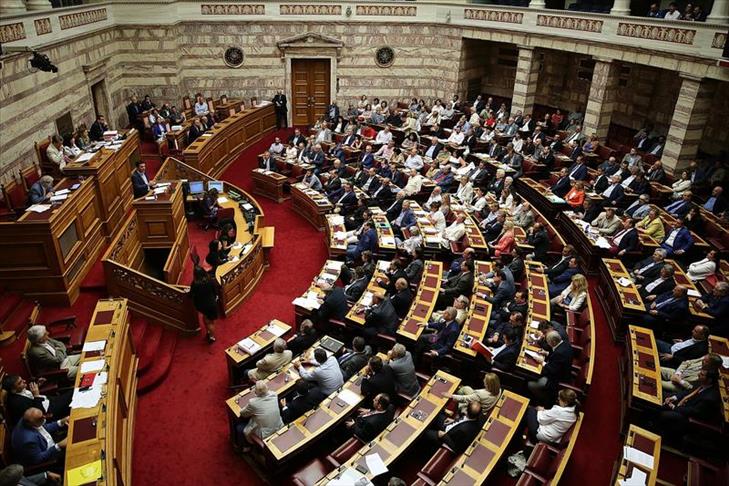
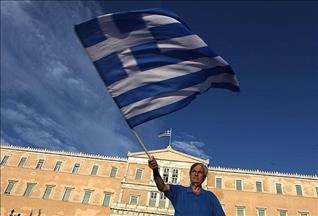
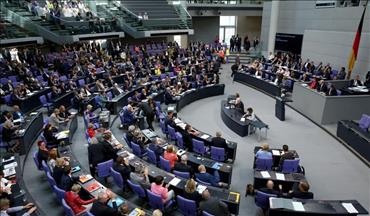
The Greek parliament on Friday approved a bailout deal agreed with its European creditors.
The agreement, which came after weeks of negotiations with creditor representatives, is a step forward in the process of completing the bailout plan, bringing Greece closer to receiving much-needed funds.
The bill for the bailout approval had been fast-tracked through parliament, and lawmakers spent nearly 15 hours in debate from Thursday night to Friday morning before the bill was passed. Finance Minister Euclid Tsakalotos explained on Thursday that the rapid passage was needed so that he could try for a final approval from the Eurogroup, which is meeting on Friday.
The bailout agreement will provide Greece with installments of a total of about €86 billion ($95.5 billion) over three years, on the condition that the Greek government implements a series of important economic reforms – some of these have already been passed by parliament ahead of the agreement.
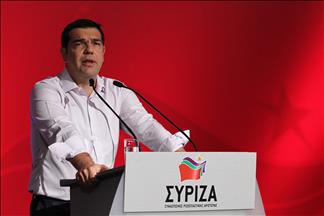
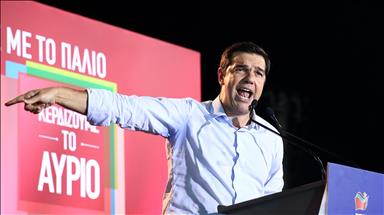
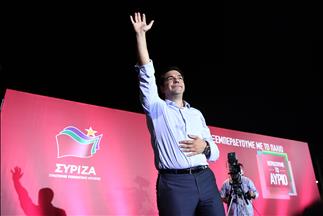
However, the government was only able to pass the agreement – by 222 MPs in favor, 64 against and with 14 abstentions – with the help of opposition votes. A large wing of the ruling leftist SYRIZA coalition opposes the bailout agreement.
Former energy minister Panayiotis Lafazanis, leader of SYRIZA’s Left Platform, called for the creation of a social and political movement that will “justify the hopes of the people for democracy and social justice."
On Friday, the agreement will be reviewed for final approval by the Eurogroup, which includes finance ministers from the 19 eurozone countries.
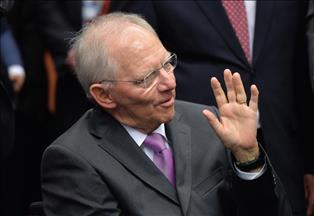
German Finance Minister Wolfgang Schauble has already expressed opposition to approving the plan. He has circulated a paper which details questions that his ministry believes need to be addressed before the bailout deal can be passed.
There is also concern about Greece's slowing economy, about whether the country can generate enough revenue to pay its debts according to the bailout schedule.
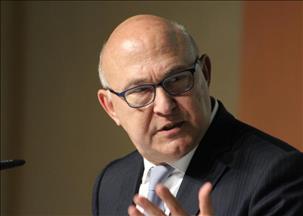
"Interest rates need to be as low as possible, maturities have to be as long as possible – these things have to be reviewed in order to provide oxygen to the Greek economy," French Finance Minister Michel Sapin said on France Inter radio on Friday.