Gökhan Ergöçün
05 August 2026•Update: 05 August 2026
By Gokhan Ergocun
ISTANBUL (AA) - The European Central Bank (ECB) reported that surging energy costs drove households to invest in energy-related renovations, increasing economic resilience and reducing broader inflation pressures across the region.
These new investments cushioned the impact of energy price shocks on the building and construction sector, an ECB blog said on Wednesday.
The authors, Senior Economist Marco Weissler and Economist Desislava Rusinova, argued that such investments cushioned the impact of energy shocks on the building and construction sector.
Skyrocketing energy prices dealt a heavy blow to the real estate industry.
Rising construction and building maintenance costs made mortgages more difficult to obtain as interest rates increased.
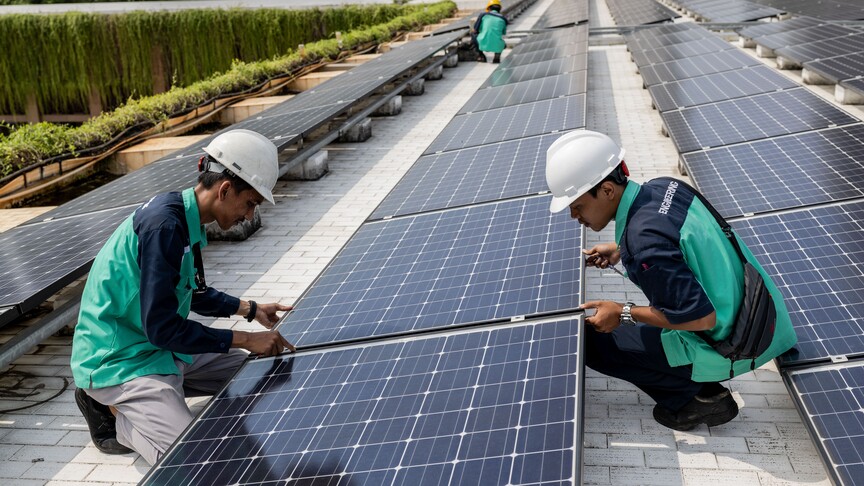
Many people viewed this period as an opportunity to rethink, renovate, and invest in energy efficiency.
Energy shocks slowed new construction but simultaneously drove a wave of renovation activity.
Declining equipment costs and government subsidies supported the recent wave of renovations.
The blog explained that the additional renovation spending cushioned the negative impact of higher energy prices on housing investment in the short term.
These investments reduced the building sector's dependence on fossil fuels in the long term.
The overall transition increased the sector's resilience to energy-driven price and confidence shocks.