16 December 2015•Update: 18 December 2015
by Vasiliki Mitsiniotou
ATHENS
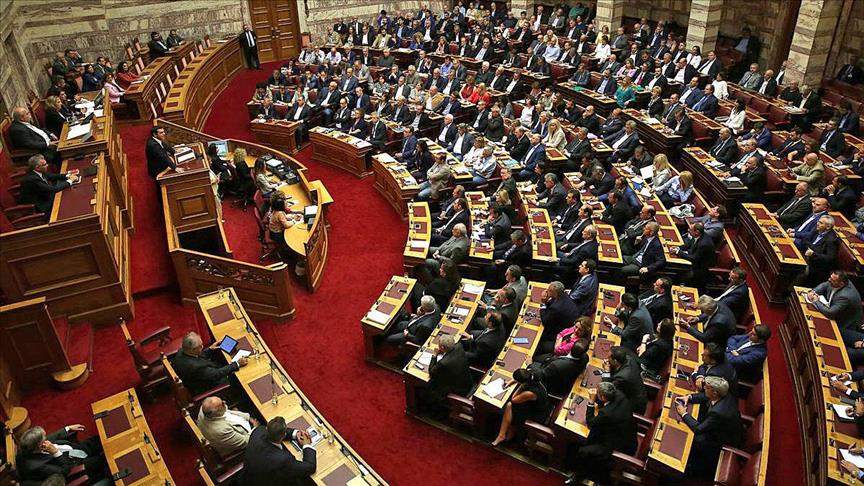
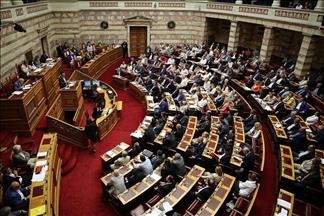
The Greek parliament late on Tuesday voted to approve 13 key economic reforms required by the conditions of the bailout agreement with European creditors.
The multi-bill that includes 13 reforms intended to permit the release of the next €1 billion ($1.1 billion) bailout.
Despite another heated debate at the House, 153 of lawmakers in the 300-seat parliament approved the bill in a fast-track procedure.
It was the second passage of bailout reforms this month. The package includes the creation of the new fund for privatizations, the regulation of public servants’ new payroll regulations, and, most notably, the regulation of the amount of non-performing loans which Greek banks can sell to private funds.
The Greek Parliament has been working under extreme pressure, and it is not expected to let up. Along with Tuesday's multi-bill, two more pieces of legislation are on their way concerning the coalition government’s internal policies. They should all be legislated before the House closes for the Christmas holidays, at the latest by the middle of next week.
The debate started more than half an hour later than scheduled, due to complaints from the opposition parties that there is not enough time for discussion. Finance Minister George Stathakis underlined that the bill had to be urgently enacted following the bailout agreement. "If you extend this process to the new year, we would need to go through re-approval procedures from the European Parliament, so there would be a delay in the bailout funding. Right now, it needs approval from the Euroworking Group so that the next sub-tranche may be disbursed by Friday," he said.
The non-performing loans issue was at the heart of the debate at the House. Main opposition New Democracy MP Kostas Hatzidakis warned the coalition government that if there is no new relevant legislation until Feb. 15, “the provisions will also apply for the primary home loans”. The Greek government had been engaged in fraught negotiations with creditors on the types and amounts of loans to be sold off.
Finance Minister Stathakis defended the non-performing loans latest agreement saying that the government "implements the agreement and improves it in many ways." He explained that the law allows the sale of large business loans and not primary home mortgages. He also said that the purpose of the negotiations which will continue until Feb.15th will concern the protection of mortgages on primary homes.
“But every time we hear the word 'negotiations,' we take fright,” Central Union MP Georgiadis argued.
Communist Party MP PAfilis also accused both the government and opposition parties of betraying commitments. “The government does all that it denounced in the past,” he said.
Earlier on Tuesday, the country’s two biggest unions and the Communist party-affiliated union called on workers to rally in central Athens to protest the set of reforms demanded by the bailout agreement.