Anadolu staff
17 February 2026•Update: 17 February 2026
ISTANBUL
Nearly 79% of staff and students at Australian universities have experienced indirect racism, according to a landmark study that surveyed more than 75,000 participants across 42 institutions.
The report, Respect at Uni: Study into Antisemitism, Islamophobia, Racism and the Experience of First Nations People, is the largest of its kind in Australia and provides the most detailed picture yet of racial discrimination in higher education.
It found that 14.9% of respondents experienced direct interpersonal racism, while one in five academic staff reported being directly targeted.
International students faced the highest rates, with three in four reporting indirect racism.
The study also highlighted spikes in racist incidents during periods of social tension, including the COVID-19 pandemic and Israel’s war in Gaza. Students of Chinese background reported increased harassment during COVID-19.
A Middle Eastern staff member quoted in the report said: “After 15 years in universities, I’ve never seen it worse… the fear around expressing views if you’re from the Middle East is overwhelming.”
A Jewish student also quoted in the report said: “I’d encountered antisemitism before, but I had never been scared to be Jewish. In university, I frequently feel the need to hide my religion.”
Albanese comes under fire
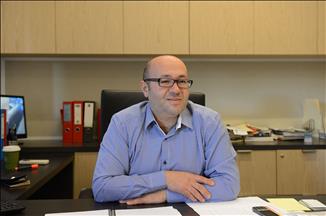
Reacting to the findings, Senator Mehreen Faruqi, deputy leader of the Australian Greens and anti-racism spokesperson, said the report lays bare a systemic problem.
“This report may come as a shock to those who don’t experience racism, but for the rest of us, it is business as usual,” said Pakistani-origin Faruqi.
“It lays bare the terrifying truth: racism is not an exception in our universities, it is the rule, and it is harming students and staff across racial and religious groups,” she said.
Faruqi called on the Australian government to adopt the report’s sector-wide reforms and scrap what she called “sham one-sided antisemitism report cards.”
The Greens senator also criticized the government’s handling of anti-Palestinian racism, saying: “The Albanese Government has been gaslighting and dismissing anti-Palestinian racism for the last two years of Israel’s genocide in Gaza, but with Palestinian respondents experiencing the highest levels of racism, the Government can no longer refuse to accept this reality.”
Roots of racism
The report points to historical and structural roots of racism. Many universities were founded during colonial times, some before the abolition of the White Australia Policy, and were not designed to include First Nations students or those outside the dominant colonial culture.
Among First Nations respondents, 81% reported experiencing racism, with similarly high rates reported by African, Asian, Muslim, Jewish, Palestinian, Middle Eastern, Maori, and Pasifika communities.
Race Discrimination Commissioner Giridharan Sivaraman said the findings show racism is embedded not only in interpersonal interactions but also in university governance, policies, and curricula.
The report includes 47 recommendations aimed at reforming the sector, including a national anti-racism framework, inclusive teaching, safer campuses, diverse leadership, and robust complaint mechanisms.
Universities have attempted to address discrimination through diversity and inclusion initiatives, but the study found efforts were uneven, fragmented, and often reactive, with low trust in complaint processes.
Only 6% of those who experienced direct racism filed a complaint, and most who did were dissatisfied with outcomes.
The findings come amid rising national attention to racial tensions, including incidents like the 2025 Bondi Beach attack, which killed 15 people and left dozens injured.