Canberk Yüksel
01 July 2016•Update: 08 July 2016
NEW YORK
A two-state solution continues to be the "only way to achieve an enduring peace" in the Israeli-Palestinian conflict but current trends are "imperiling" its viability, the Middle East Quarter said in a report released Friday.
The expansion of Israeli settlements, attacks on civilians, and the dire humanitarian condition in Gaza are "severely undermining hopes for peace,” said the supranational group, made up of the U.S., the UN, the EU, and Russia.
"The Quartet reiterates that a negotiated two-state outcome is the only way to achieve an enduring peace that meets Israeli security needs and Palestinian aspirations for statehood and sovereignty, ends the occupation that began in 1967, and resolves all permanent status issues," the report said.
Responding to the report, the United Nations secretary-general welcomed it, underscoring its findings, while the Palestinian Liberation Organization (PLO) said it failed to meet the group's expectations, accusing members of the international community of avoiding their responsibilities towards the Palestinian people.
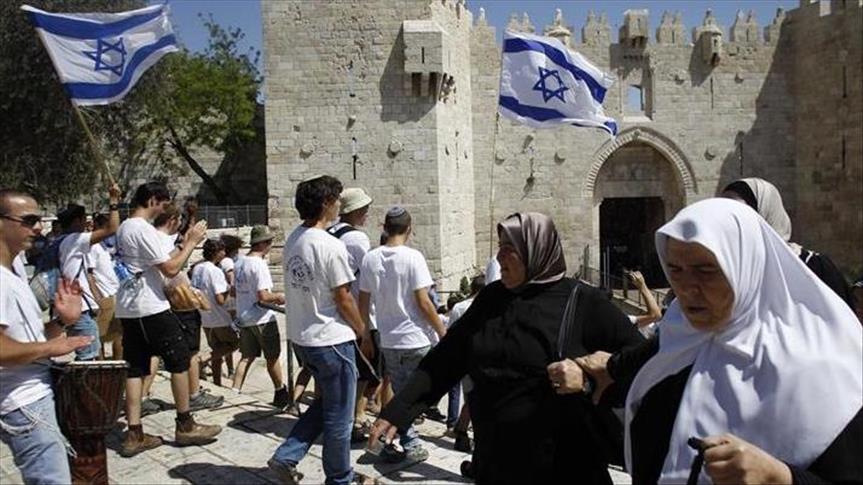
In the report, the Quartet said the Tel Aviv government's continuing policy of settlement construction, designation of land for exclusive Israeli use, and denying Palestinian development "is steadily eroding the viability of the two-state solution".
Since the beginning of the Oslo process in 1993, the population of settlements has more than doubled, reaching a total of at least 570,000. Between 2009 and 2014 alone, the West Bank settler population rose by 80,000.
The report noted a "marked slowdown" since mid-2014, while lamenting that the rate of construction starts has remained consistent to this day.
The Quartet also touched on the humanitarian situation in the Gaza Strip, stressing that 1.3 million Gazans are in need of sustained humanitarian assistance, including temporary shelter and food. Most people have electricity less than half of the time, while only 5 percent of the water is safe for human consumption.
"Severe poverty, a crippling unemployment rate, and the chronic underdevelopment of Gaza further feed instability and frustration that could create the conditions for renewed conflict," it said.
The report mentioned violence as another pressing issue to address on the path to a political resolution. It said in a wave of violence that began in October last year, there have been over 250 attacks and attempted attacks by Palestinians against Israelis, resulting in the deaths of 30 Israeli nationals. On the other hand, the number of Palestinians killed "while carrying out or reportedly carrying out attacks" was at least 140 during the same period, the report said.
Attacks fell significantly in frequency this year, but incitement to violence remained troubling, the report said.
The UN Secretary-General's Office issued a statement on Friday welcoming the report.
It said the secretary-general underscored the report's finding that actors need to take steps to counter negative trends on the ground. "These trends risk entrenching a one-state reality of perpetual occupation and conflict which is incompatible with realizing the national aspirations of both peoples," the office said.
In a press release, the PLO criticized the report for lacking balance, saying it "attempts to equalize the responsibilities between a people under occupation and a foreign military occupier."
For negotiations to succeed, signed agreements must be implemented, including cessation of settlement activities and freeing of pre-Oslo Palestinian prisoners, the group said.
"The goal must be the establishment of a sovereign State of Palestine on the 1967 border with East Jerusalem as its capital and the realization of the internationally recognized and long overdue inalienable rights of the Palestinian people," it said.
*Anadolu Agency reporter Anees Barghouti from Ramallah contributed to this report.