Michael Sercan Daventry
26 November 2015•Update: 30 November 2015
LONDON
A consensus is building in support of British airstrikes against Daesh targets in Syria, the U.K. foreign secretary has said.
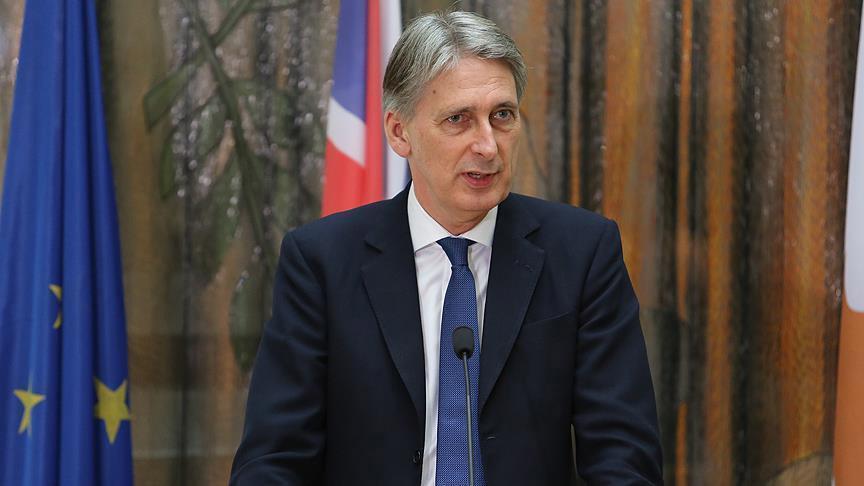
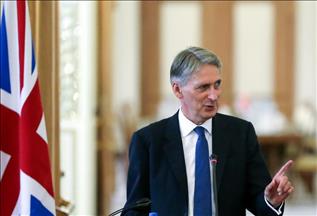
Philip Hammond said he believed lawmakers were increasingly persuaded by Prime Minister David Cameron’s arguments in favour of British military action during a two-hour debate in the House of Commons on Thursday.
Britain has been striking Daesh targets in Iraq from air for more than a year, but Cameron has long wanted to broaden the mission to include the northern Syrian city of Raqqa.
Such a move would require parliamentary approval.
But opposition leader Jeremy Corbyn said he could not support Cameron’s proposals.
Cameron said his "ISIS first" strategy -- using the U.K. government's preferred word Daesh -- is designed to eliminate the organization before a deal is secured to end the Syrian civil war.
The initial objective is to damage ISIL and reduce its capacity to do us harm and I believe that this can in time lead to its eradication, he told lawmakers at the debate.
Speaking to the BBC on Thursday afternoon, Philip Hammond said he believed a consensus was emerging in parliament as part of a package of British response which will include a humanitarian and a very strong diplomatic, political strand as well.
He did not set a timetable for a vote on Syrian air strikes, saying lawmakers needed time to consider their position, although he said the world would be a less safe place if Britain chose not to join the coalition of countries, including France and the United States, that are currently striking Daesh targets in Syria.
It will leave British citizens and our homeland more exposed, more vulnerable, and it will significantly damage Britain’s reputation as a reliable ally and partner in the world, Hammond said.
The opposition Labour Party, which has not announced its position on Cameron’s plans, is publicly divided on the issue after party leader Jeremy Corbyn announced he would not personally back them.
"I do not believe the Prime Minister's current proposal for airstrikes in Syria will protect our security and therefore cannot support it," Corbyn told party colleagues in a letter sent Thursday evening.
His comments came just hours after Hilary Benn, Labour's foreign affairs spokesman, told the BBC that he thought the Prime Minister's arguments were "compelling".
The Scottish National Party appeared to indicate it would oppose a motion on the issue, although the Northern Irish DUP said it would support it.