By Max Constant with additional reporting from Michael Hernandez in Washington
BANGKOK
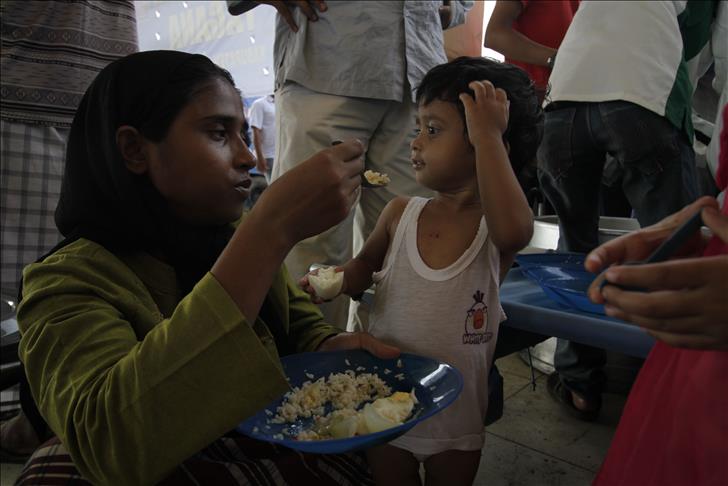
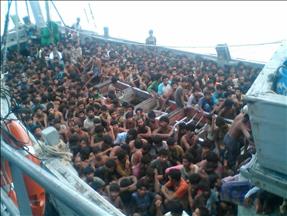
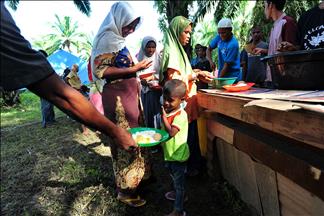
Thailand's navy says it has intercepted a boat laden with 400 Rohingya and Bangladeshi migrants off its southern coast, and provided them with food and water.
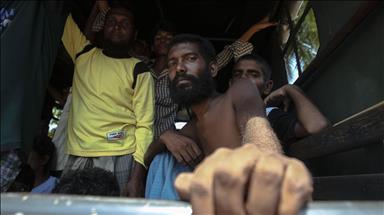
Local news website Phuketwan reported that photographs from the scene showed emaciated migrants crammed on the decks in appalling conditions.
It added that telephone calls claimed to have been made from the vessel reported deaths and a fear of starvation.
Thai Navy commander Vice Admiral Saiyan Prasongsamret told the website that the boat was three miles from the border with Malaysia, between the island resort of Langkawi and the Thai national park at Taratao island.
"We will be making helicopter drops of food, water and medicine and anything else they need," he added.
An unnamed navy spokesperson said that when asked where they wanted to go, the migrants cried out "Malaysia! Malaysia!"
A local governor has said he has organized for a team of engineers to fix the boat's engine so they can continue on their way.
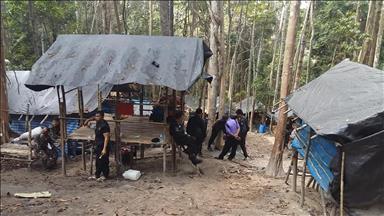
Since Thailand launched a crackdown on human trafficking in its southern region May 1, such boats have been turning up on Malaysian and Indonesian shores.
Both countries have since announced plans to turn them back, unless they are unseaworthy and sinking.
Phuketwan reported Thursday that seven such boats are said to be adrift in the Andaman Sea, packed with around 2,000 people.
The deputy Asia director at Human Rights Watch has accused Thailand, Malaysia and Indonesia of playing a game of marine "ping pong" with the boat and putting the lives of all those on board at risk.
An unconfirmed report had stated that the boat may already have been turned away from Malaysia.
HRW Director Phil Robertson urged the countries’ navies to “stop playing a three-way game of human ping pong,” as the world would judge how they treated “these most vulnerable men, women and children.”
He said the three Southeast Asian governments “have made things much worse with cold-hearted policies to push back this new wave of ‘boat people’ that puts thousands of lives at risk.”
In Washington, State Department spokesman Jeff Rathke urged regional governments to rapidly find a solution to the plight of those on board the vessel.
“This is a regional issue, it needs a regional solution in short order,” he told reporters.
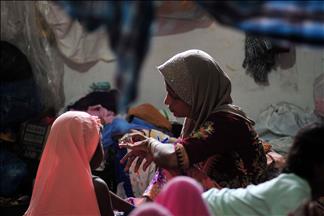
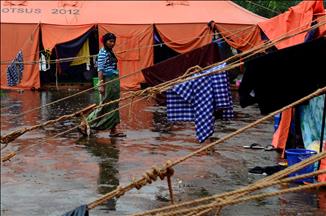
The intergovernmental International Organization for Migration estimates that 8,000 migrants from western Myanmar and Bangladesh are currently on boats in the Andaman Sea and the Strait of Malacca, crammed in unsanitary conditions and with almost no food and drinking water.
Malaysia’s deputy home minister Wan Junaidi Tuanku Jaafar has said the government will turn back boats and deport migrants who land ashore, while earlier this week Indonesia’s navy towed out to sea a ship carrying 400 migrants after supplying them with fuel, food and water.
It has since claimed that it did not tow the boat from its waters, saying the passengers had asked to be left to continue onwards to Malaysia
Robertson called for international pressure to “urge the three governments to work together to rescue these desperate people and offer them humanitarian aid, help in processing claims, and resettlement places for those in need of international protection.”
Thailand’s junta chief-cum-Prime Minister General Prayuth Chan-ocha announced Tuesday that the country will host talks on the migrant crisis May 29 with senior officials from “15 affected countries” – primarily Myanmar, Bangladesh, Malaysia, Indonesia and Australia.
Rathke, the State Department spokesman, welcomed the Thai announcement, but stressed that the “priority right now is to save lives.”
“Our ambassadors in all of these concerned countries are engaging governments to discuss ways of providing assistance so that that can be achieved,” he said referring to Washington’s envoys in Malaysia, Thailand and Indonesia.
“We also continue to raise these issues with the Burmese authorities because, of course, we have to remember that there's an urgent need to fulfill commitments to improve the living conditions of those affected,” by the situation in Myanmar’s Rakhine State, he added.
Rohingya Muslims and other ethnic minorities have been the target of state violence and persecution in the western coastal territory.