BANGUI
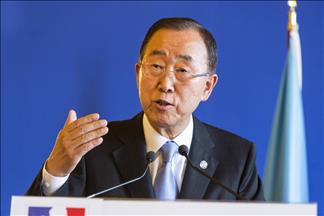
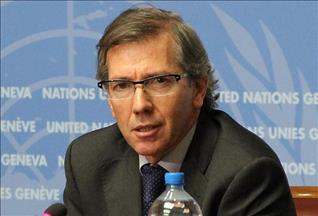
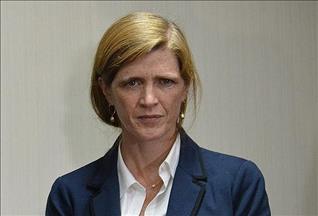
"From January over 5,000 women had been sexually assaulted, raped and forced into marriages," Nancee Oku Bright, Special Representative of the UN Secretary-General on Sexual Violence in Conflict, told a press conference in Bangui on Friday.
She did not break down figures per month or discuss methodology of the research.
Bright vowed to use her office to fight crimes of sexual violence, by ensuring the protection of women, girls and children.
"As in my mandate, I will need to ensure that sexual violence is avoided and victims of rape should not be treated with stigma, instead the perpetrators should be the ones ashamed," she added.
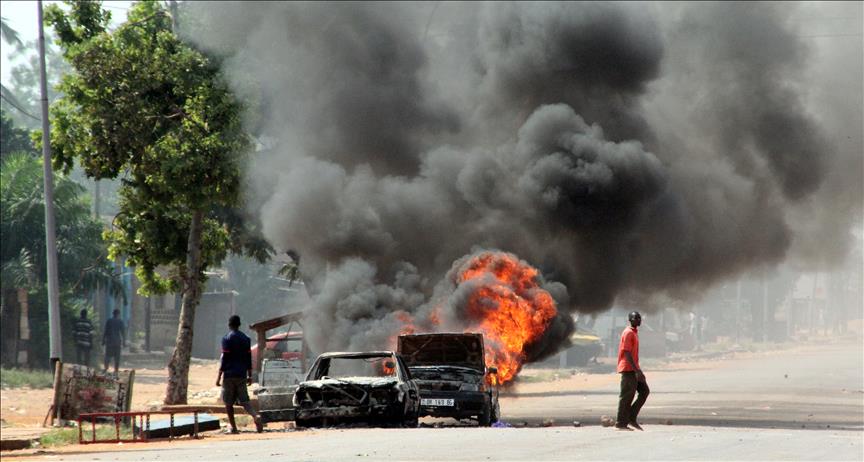
The UN official urged the media to play a vital role in ending the sectarian violence that has swept through CAP.
"We all have a role to play in ending the current sectarian violence. As the media you need to disseminate information that will unite communities," she added.
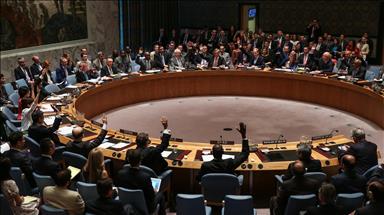
On 17 December, a UN team including Bright and Special Representative of the Secretary-General for Children and Armed Conflict Leila Zerrougui arrived in Bangui to assess the impact of the conflict on the civilian population.
The team has conducted field visits and held consultations with the government, representatives of regional organizations in Bangui, the diplomatic community, faith-based organizations, civil society, the humanitarian community and UN officials working in the country.
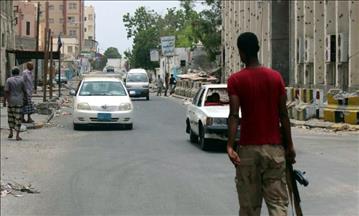
CAR, a landlocked, mineral-rich country, descended into anarchy in March, when Seleka rebels – said to be mostly Muslims – ousted Christian president François Bozize, who had come to power in a 2003 coup.
The months since have seen the emergence of self-styled Christian militias, known as the "anti-balaka."
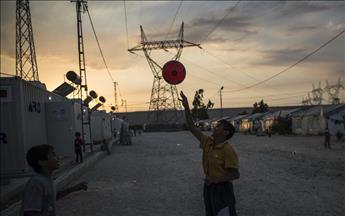
According to UN estimates, more than 400,000 people – nearly ten percent of the country's 4.6 million-strong population – have abandoned their homes as a result of the violence.
englishnews@aa.com.tr