By Roy Ramos
ZAMBOANGA CITY
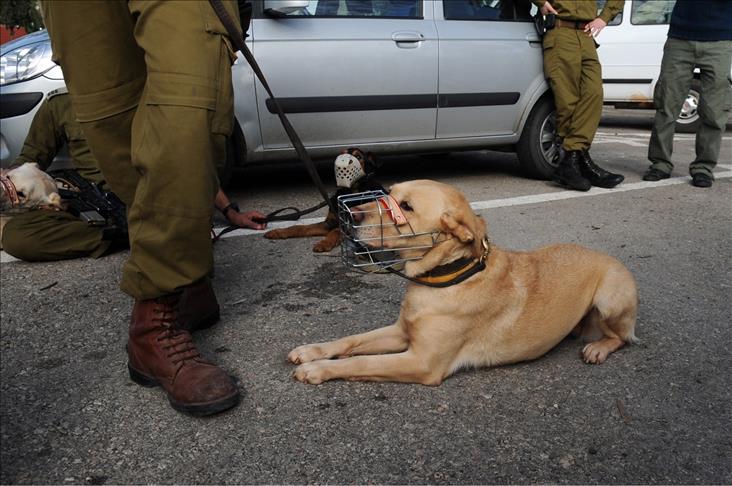
Teams of sniffer dogs arrived Tuesday in a southern Philippine province known as an al-Qaeda-linked militant group’s stronghold in search of two abducted German tourists.
Captain Maria Rowena Muyuela, regional military spokesperson, said ten K9 teams - including tracker and explosive detection dogs – were sent to Sulu province to support ongoing operations to rescue the Abu Sayyaf’s victims.
The couple disappeared in waters off Palawan Island on April 25 while sailing to Malaysia for a holiday, and were reported missing after Filipino fishermen spotted their empty yacht.
Earlier this month, the Abu Sayyaf threatened to behead one of them October 10 – later extending the deadline to October 17 - unless a P250-million ($5.62-million) ransom is paid and Germany stops supporting a U.S.-led campaign against the Islamic State in Iraq and the Levant (ISIL).
"Intensified law enforcement operations in coordination with the local government and the police are ongoing to facilitate the rescue of kidnap victims and expedite the arrest of Abu Sayyaf kidnappers," Muyuela said Tuesday.
Lt. Col. Harold Cabunoc, military public affairs chief in Manila, said the military supports the government’s position of not negotiating with “terrorists” but will work closely with a local crisis management committee in Sulu that is tasked with facilitating the necessary moves for the German tourists’ release.
“We have to put pressure all the time. We must be the one dictating the tempo,” he said in expressing his belief that the move would not endanger the hostages’ lives.
Cabunoc explained that the same strategy had been used in 2000 to release 13 members of the Jesus Miracle Crusade Pentecostal group who had been held captive for over three months, after showing up at an Abu Sayyaf lair in Sulu that July to pray for hostages who had been seized from a dive resort in Malaysia’s Sipadan island three months earlier.
“The troops of the 59th Infantry Battalion and the Light Reaction Battalion, including Scout Rangers and Special Forces, were deployed in order to put pressure on them and this particular action led to the release of the hostages without any firefight and we want to put this scenario today,” he said.
He added that troops and tracking dogs would help in accurately tracking the abductors’ movements and containing them in a smaller area.
Defense Secretary Voltaire Gazmin announced in late September that army troops would be dispatched to Sulu to help marines to “stop the Abu Sayyaf once and for all,” underlining that the Philippines would not negotiate with the Abu Sayyaf over its ransom demands.
Since 1991, the Abu Sayyaf -- armed with mostly improvised explosive devices, mortars and automatic rifles has carried out bombings, kidnappings, assassinations and extortions in a self-determined fight for an independent Islamic province in the Philippines.
It is notorious for beheading victims after ransoms have failed to be paid for their release.
ISIL has captured large swathes of land in Iraq and Syria, later declaring the territories under its control an Islamic "caliphate." The U.S. and its Arab allies began bombing ISIL targets inside Syria in late September, after conducting airstrikes in Iraq since August.
www.aa.com.tr/en