LONDON
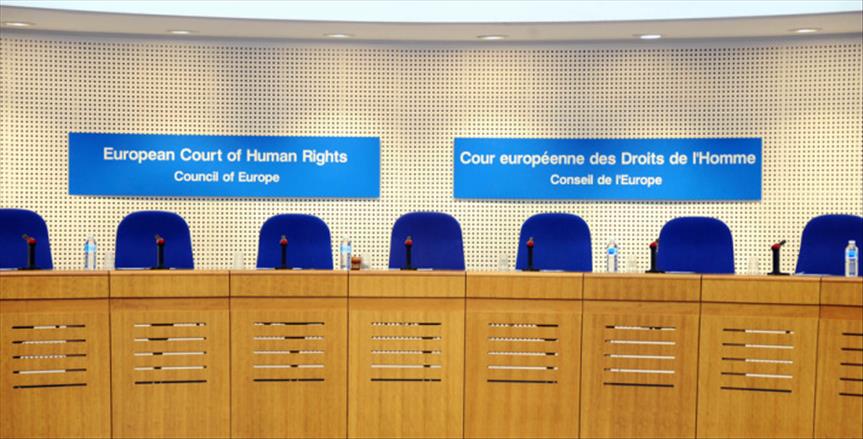
UK ministers have been told to explain GCHQ's program of mass surveillance by The European Court of Human Rights on Friday.
The move comes as the ECHR have fast-tracked a case brought by human rights and privacy campaigners alleging that by collecting vast amounts of data leaving or entering the UK, GCHQ has acted illegally.
The case was brought by Big Brother Watch, the Open Rights Group and English PEN, together with German Internet activist Constanze Kurz.
The action followed revelations published in UK newspaper the Guardian from National Security Agency (NSA) whistleblower Edward Snowden. The leaks revealed mass scale surveillance of text messages of US and non-US citizens.
The groups claim GCHQ has illegally intruded on the privacy of millions of British and European citizens. Revelations about the Prism and Tempora programs showed that the NSA and GCHQ collected data on emails, text messages and search engine queries from people that were not under any suspicion.
Nick Pickles, director of Big Brother Watch, said, "The laws governing how Internet data is accessed were written when barely anyone had broadband access and were intended to cover old fashioned copper telephone lines. Parliament did not envisage or intend those laws to permit scooping up details of every communication we send, including content, so it’s absolutely right that GCHQ is held accountable in the courts for its actions."
UK Foreign Secretary William Hague has previously given a statement to parliament on the issue, he said, "Any data obtained by us from the US involving UK nationals is subject to proper UK statutory controls and safeguards, including the relevant sections of the Intelligence Services Act, the Human Rights Act and the Regulation of Investigatory Powers Act."
The groups initially sought to bring their case in the UK domestic courts but the government said an action in the English courts was barred and that the groups should complain to the Investigatory Powers Tribunal, a judicial body, independent of the British Government, which hears complaints about the intelligence agencies and does not allow appeal to the courts.
Proceedings before the tribunal would not allow for the public examination of these issues and the groups bringing the action say that the tribunal cannot provide the remedy without a new legislative framework respectful of British and European citizens’ privacy rights, this is why they have taken the case to the ECHR.
Pickles said: "This legal challenge is an essential part of getting to the bottom of why the public and parliament have not been properly informed about the scale of surveillance and why our privacy has been subverted on an industrial scale."
GCHQ has denied that it had acted illegally. "Furthermore, all of GCHQ's work is carried out in accordance with a strict legal and policy framework which ensures that our activities are authorised, necessary and proportionate, and that there is rigorous oversight, including from the Secretary of State, the Interception and Intelligence Services Commissioners and the Parliamentary Intelligence and Security Committee. All our operational processes rigorously support this position."
englishnews@aa.com.tr